Key facts
- Trump and Xi Jinping met at the White House on Thursday.
- The US and China extended an agreement pausing their trade war until January 10.
- There were few other obvious tangible outcomes from the summit.
- Xi urged Trump to oppose "Taiwan independence."
- Democrats called on Trump to deliver a $14 billion arms sale package to Taiwan.
- Trump and Xi discussed "super intelligence" (AI) but showed little interest in new regulations.
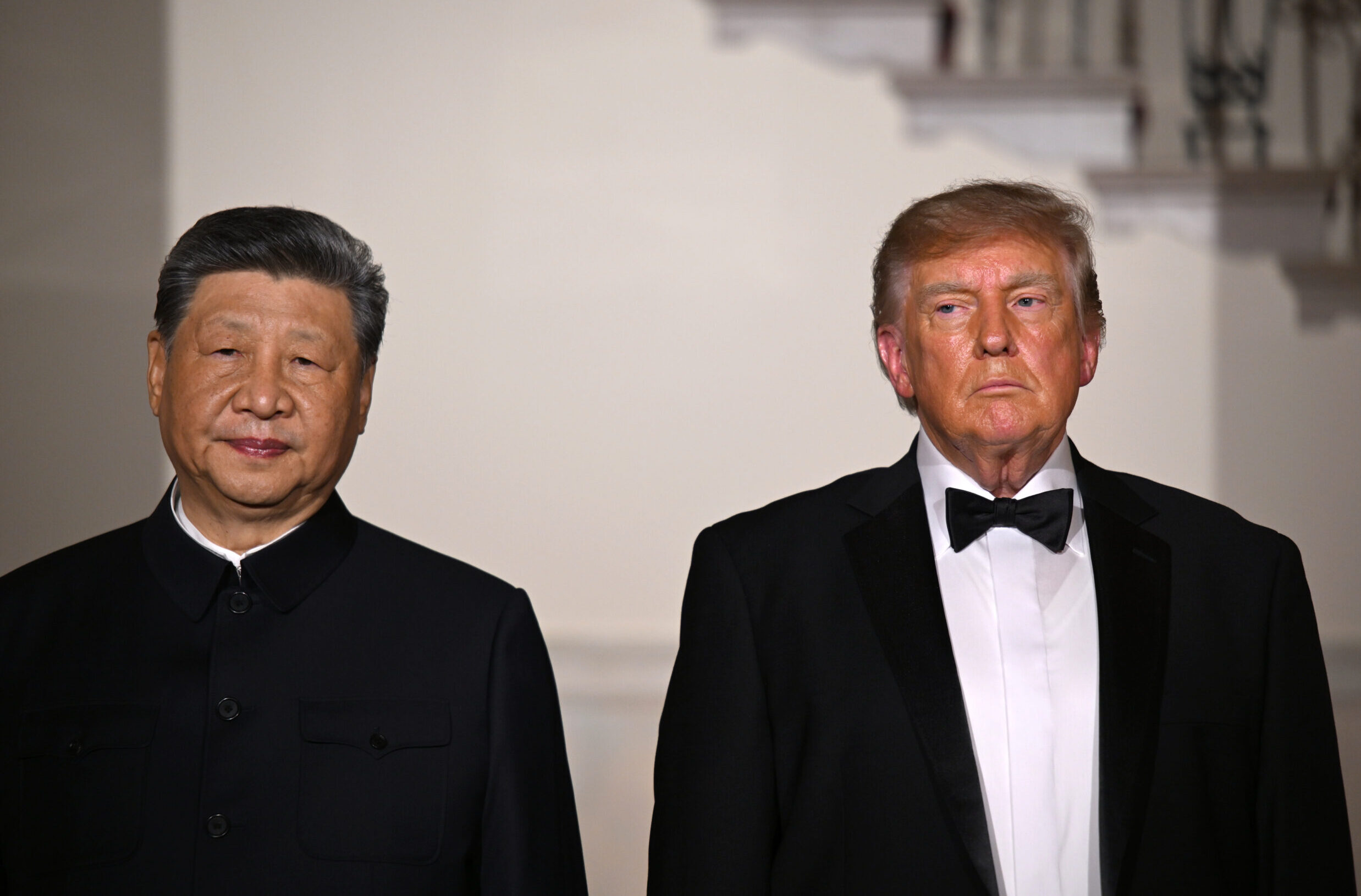
US President Donald Trump welcomed Chinese President Xi Jinping to the White House on Thursday for a summit that critics argued prioritized pageantry over substantive progress on critical issues. While the two leaders extended an agreement pausing their trade war until January 10, few other tangible outcomes were apparent from their discussions on artificial intelligence, trade, and the growing strategic rivalry between the two nations.
Senate Democrats criticized the summit, suggesting it was more "diplotainment" than genuine diplomacy. They pointed to the lack of breakthroughs on thorny issues such as AI, trade, Taiwan, and the war with Iran. Danny Russel, a former US diplomat, expressed concern that the leaders spent more time on social and ceremonial events than on the actual meeting, which lasted about 90 minutes.
Discussions on AI, which Trump termed "super intelligence," revealed little common ground on regulation. Trump indicated he had little interest in new regulations, a stance that China also reportedly shares. Xi, however, stated that AI development must always be under human control. Analysts suggest that intense competition in AI between the US and China will likely limit the scope for agreements beyond symbolic gestures.
On Taiwan, Xi urged Trump to oppose "Taiwan independence" and press for a halt to US arms sales to the island. Trump had previously put a $14 billion arms package to Taiwan on hold, calling it a "negotiating chip." A statement signed by 19 Senate Democrats called on Trump to immediately deliver the approved security assistance package.
The summit also featured unusual protocol, with Trump greeting Xi on the tarmac at Joint Base Andrews, a gesture not seen since Pope Francis visited in 2015. Experts from the Atlantic Council noted that the pageantry served Trump's bid for a stronger personal relationship with Xi, but suggested that Xi, a "master negotiator," responds to strategy rather than flattery. The optics of the summit also presented the US and China as near equals, a "G2" dynamic that Beijing has long sought.