Key facts
- Spanish Prime Minister Pedro Sanchez called a snap general election for November 29.
- The election was previously scheduled for 2027.
- Sanchez is gambling that public anger over a housing crisis will benefit his party.
- His government's housing decrees were blocked by the opposition in parliament on Friday.
- Political analyst Eduardo Bayon suggested it is a logical time to call elections despite the risks.
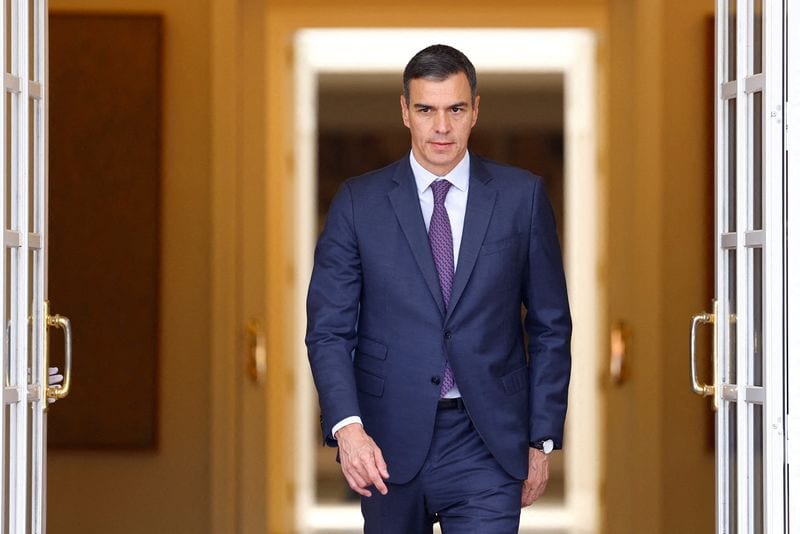
Spanish Prime Minister Pedro Sanchez called a snap general election for November 29, gambling that public anger over a housing crisis will benefit his Socialist party. The decision follows the parliamentary rejection of his government's housing decrees on Friday.
Sanchez, who has remained in office for eight years without a parliamentary majority, is attempting to capitalize on the housing crisis. His opponents, including the conservative People's Party (PP) and Vox, blocked his attempt to cap rents and prevent further evictions. Political analyst Eduardo Bayon suggested that Sanchez aims to frame the election as a choice between political blocs, highlighting his efforts to address the housing issue against opposition obstruction.
Surveys indicate that Sanchez's housing measures have broad support across Spanish society. The Prime Minister wrote on X (formerly Twitter) on Monday that his pledge to the people is for affordable housing, public services, and social rights, urging the public to strengthen his party's position in parliament.
Sanchez has a history of political gambles, including a successful no-confidence vote against his predecessor and calling a snap election in 2023 after poor local election results. However, current polling suggests his Socialist party and coalition partners are below their previous support levels, making the chances of forming a government slimmer than in 2023.