Key facts
- Southeast Asian countries are continuing to build natural gas-fired power plants and LNG import capacity.
Countries in Southeast Asia are continuing to build natural gas-fired power plants and LNG import capacity, despite concerns over price volatility and supply disruptions stemming from the Middle East conflict. Global Energy Monitor reported that the region has 100 GW of new gas-fired generation and 70 GW of LNG import capacity under construction.
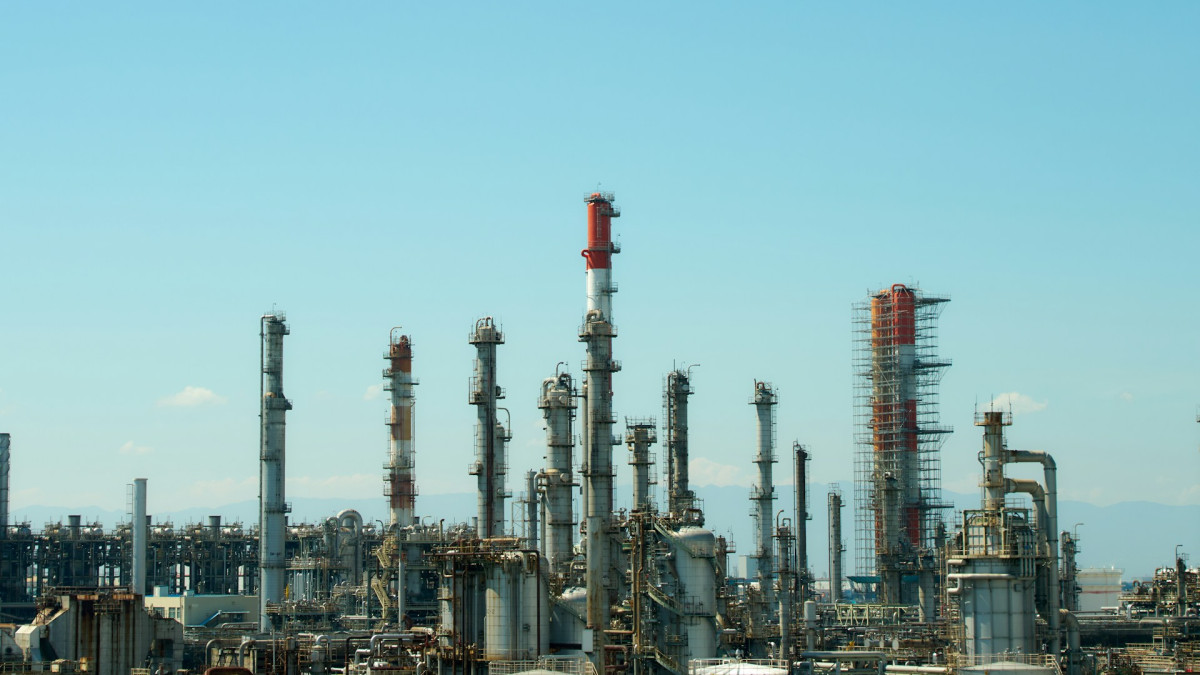
Southeast Asia's continued investment in natural gas infrastructure, despite geopolitical risks and price volatility in the LNG market, raises questions about the region's energy security and its long-term commitment to climate goals.
Despite the price inflation and supply disruption risks highlighted by the ongoing Middle East conflict, countries in Southeast Asia are continuing to expand their natural gas-fired power generation and liquefied natural gas (LNG) import infrastructure. Global Energy Monitor reported that approximately 100 GW of new gas-fired power capacity and 70 GW of LNG import capacity are currently under construction across the region. The think tank cautioned that this continued expansion risks increasing exposure to the same supply disruptions and price volatility that the current crisis has brought to the forefront. While Southeast Asia could potentially increase domestic natural gas production to reduce reliance on imports, Global Energy Monitor noted that developing new supply takes years and may not be sufficient for domestic power markets. The report identified at least 20 fields that could add around 62 billion cubic meters per year of production capacity by 2035. Asia is the largest buyer of LNG, and years of infrastructure build-out were motivated by lower gas prices that made such plans commercially viable. However, the war in the Persian Gulf has significantly reduced available LNG supply and driven prices higher, diminishing the appetite for some Asian importers. Global Energy Monitor suggests the conflict is testing Southeast Asia's gas expansion plans, which rely on the assumptions of reliable and affordable LNG availability, and a domestic gas fallback when imports are constrained.
Pick the topics you care about. Get only what matters, on your cadence.