Key facts
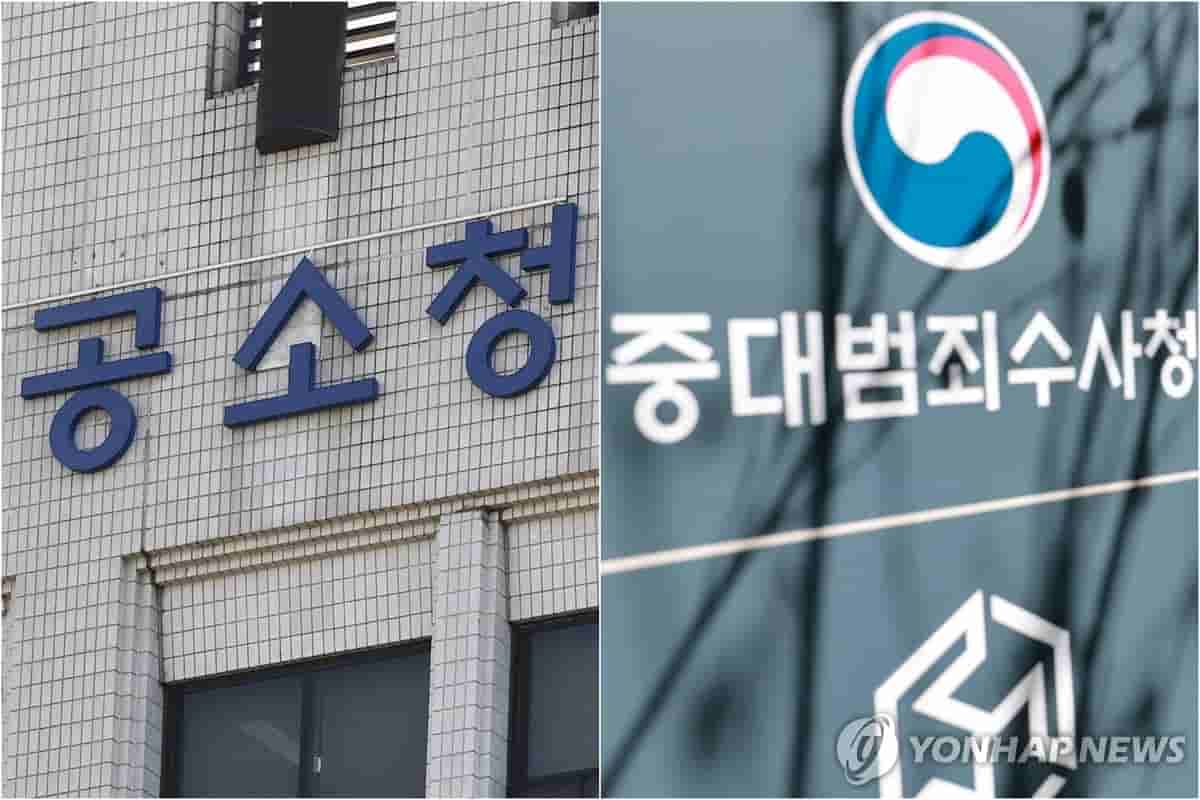
- South Korea launched a new investigation agency and a scaled-down prosecution service.
- The Prosecution Service is now tasked only with indicting and maintaining indictments.
- The Serious Crimes Investigation Agency will handle investigations into corruption and economic crimes.
- The ruling Democratic Party welcomed the reform, emphasizing the end of unchecked prosecutorial power.
- The opposition People Power Party raised concerns about potential gaps in victim safeguards and agency preparedness.
- The Serious Crimes Investigation Agency started with 66% of its planned workforce and no chief.
South Korea has launched two new agencies as part of a significant reform aimed at restructuring its criminal justice system and curbing the prosecutorial powers that have been in place for 78 years. The ruling Democratic Party (DP) has welcomed the overhaul, viewing it as a crucial step towards better protecting citizens' lives and human rights by ending the prosecution's combined investigative and indictment authority.
However, the main opposition People Power Party (PPP) has expressed reservations, citing concerns that the new agencies may not be fully prepared to handle criminal cases. They pointed to issues such as staffing shortages and a leadership vacuum, particularly at the new Serious Crimes Investigation Agency (SCIA). The PPP also raised worries about potential gaps in safeguards for victims if police investigations prove inadequate, referencing recent cases that have drawn scrutiny.
The restructured Prosecution Service will now be solely responsible for indicting suspects and maintaining indictments, while the SCIA will focus on investigations into corruption, economic crimes, and other serious offenses. The SCIA began operations with approximately 1,900 employees, representing 66% of its intended capacity, and without a confirmed chief. President Lee Jae Myung has requested a parliamentary confirmation hearing for his nominee to lead the SCIA.