Key facts
- South Korea's National Assembly passed legislation in January 2024 to ban the dog meat industry by 2027.
- The ban includes phasing out dog farming, slaughtering, and restaurants.
- Dog farm owners can receive compensation ranging from 225,000 won to 600,000 won per dog for early closures.
- As of May, 82% of registered dog meat farms had closed, with 272 remaining.
- The number of dogs registered at dog meat farms has decreased from approximately 467,000 to 22,000.
- Only about 800 dogs released from farms have been cared for by local government or adopted.
South Korea's National Assembly passed legislation in January 2024 to ban the dog meat industry by 2027, aiming to phase out dog farming, slaughtering, and restaurants. This move reflects shifting societal values and increased opposition to animal cruelty.
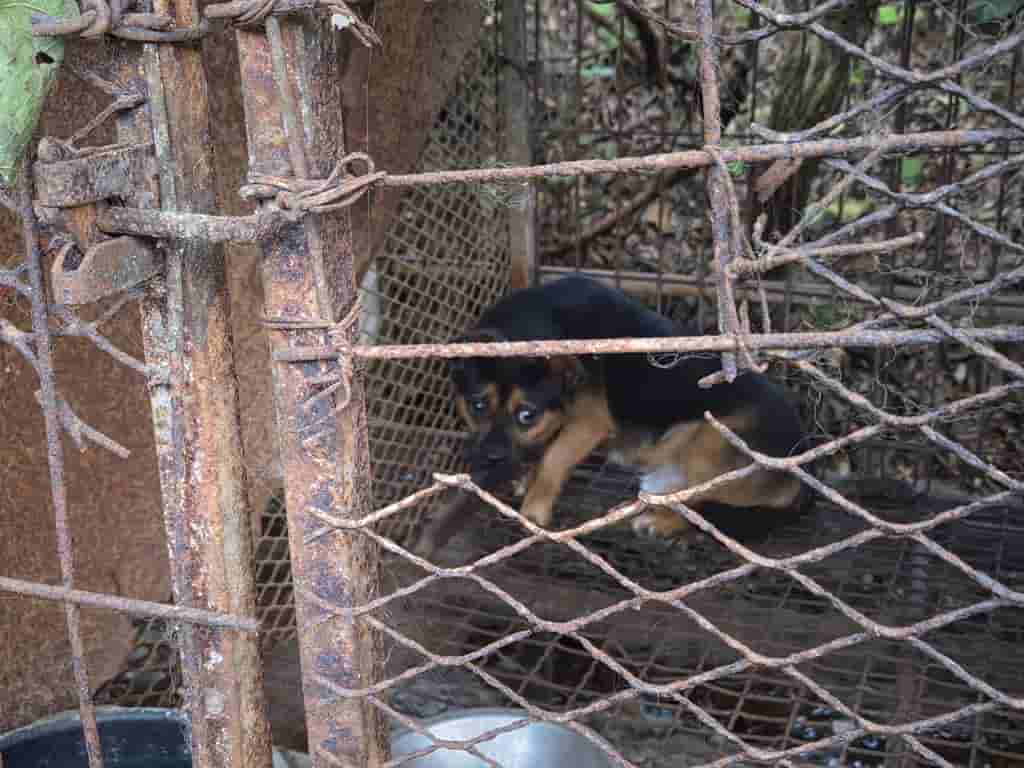
During a recent operation in Gangjin County, 46 dogs were rescued from a farm estimated to have once housed nearly 1,000 dogs. Lee Sang-kyung, campaign manager for Humane World for Animals, expressed hope that the ban will lead to the end of the dog meat trade.
However, challenges remain. Many dogs rescued from farms struggle to find new homes in South Korea due to insufficient acceptance of dog adoption, particularly for larger breeds. Some dogs face the risk of being slaughtered before the ban takes full effect.
Animal rights groups have reported instances of dogs being found at slaughterhouses and farms where the number of animals was underreported. The owner of the Gangjin farm, for example, initially reported only 20 dogs when 60 were found.
Experts note that under South Korean law, animals are classified as 'property,' requiring farm owners' consent for rescue and care. This legal framework could expose remaining animals to neglect if farm owners postpone closure or abandon them. National dog shelters are also struggling with capacity, with around 100,000 dogs rescued annually but a maximum simultaneous capacity of only 20,000.