Key facts
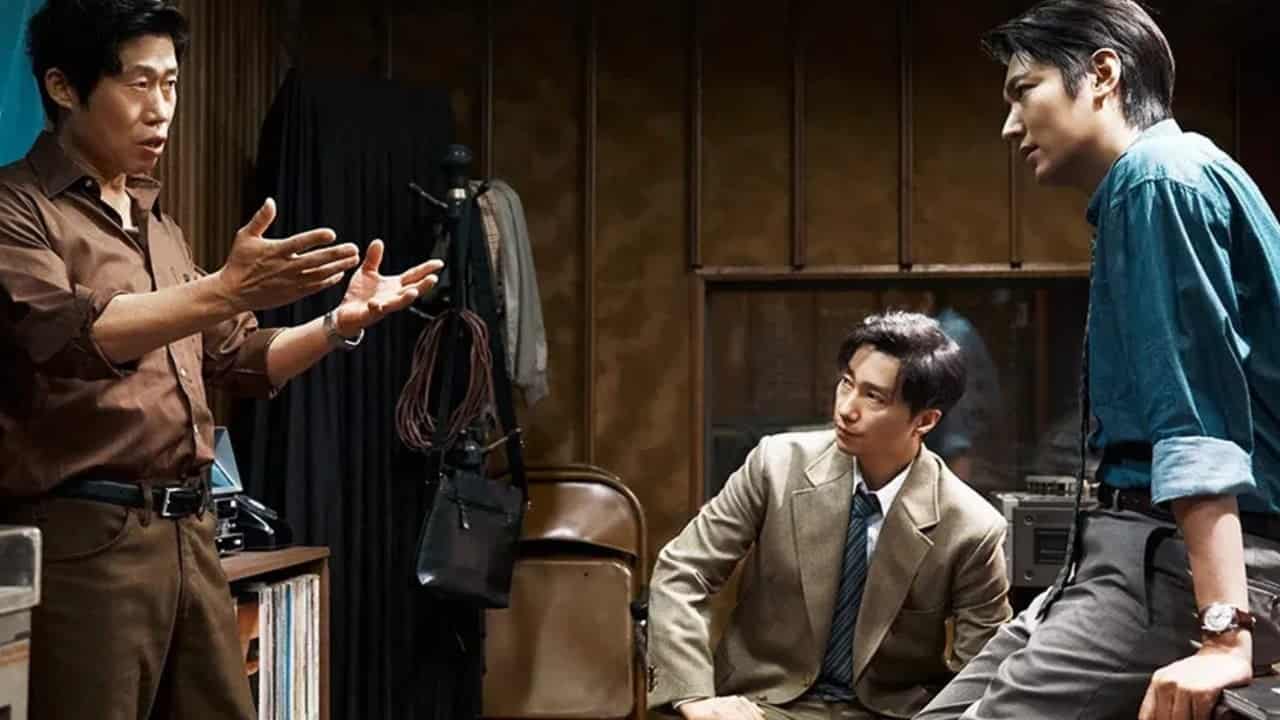
- The film "The Assassin(s)" about the 1974 assassination attempt on former South Korean president Park Chung-hee has become a subject of controversy.
- The film sold over a million tickets in its first four days of release during South Korea's Chuseok festival.
- Park loyalists and conservative politicians have called for screenings to be halted and filed a police complaint against the film's director and producers.
- The film "12.12: The Day," depicting the 1979 coup led by Chun Doo-hwan, sold around 12 million tickets.
- Chun Doo-hwan is described as possibly the most reviled figure in modern South Korean history for ordering the 1980 Gwangju massacre.
A film about the 1974 assassination attempt on former South Korean president Park Chung-hee, titled "The Assassin(s)", has become a focal point of political division in the country. The movie achieved significant box-office success, selling over a million tickets in its initial four days during the Chuseok festival. However, its popularity was quickly overshadowed by backlash from Park loyalists and conservative politicians, who have called for screenings to be halted and have filed a police complaint against the film's director and producers.
Separately, the film "12.12: The Day," which depicts the 1979 coup led by Chun Doo-hwan, has resonated deeply with South Koreans, selling approximately 12 million tickets. Chun Doo-hwan, who served as military dictator from 1980 to 1987, is widely reviled, particularly for ordering the 1980 Gwangju massacre of pro-democracy protestors. The film's success highlights the lingering trauma of his dictatorship.
The historical context provided by "12.12: The Day" also touches upon the ever-present threat of North Korea, which influenced South Korea's political and economic policies. The diversion of troops from the North Korean border during the coup was a critical concern, as it risked both escalating internal conflict and inviting a North Korean invasion. The narrative suggests that the state's survival depended on disciplined policy-making, drawing parallels with Taiwan's geopolitical situation.