Key facts
- Russia is facing a significant fuel shortage, with rationing implemented at gas stations in Moscow and other regions.
- Major oil companies, including Gazprom Neft, Tatneft, and Rosneft, have imposed limits on fuel sales per customer.
- The fuel crisis is attributed to an increase in Ukrainian drone attacks targeting Russia's oil refining infrastructure.
- Recent drone strikes have hit oil refineries in Bashkortostan, causing damage.
- This marks the 'second wave' of fuel shortages to affect Russia.
Russia is grappling with a significant fuel crisis, characterized by widespread rationing and long queues at gas stations, particularly in Moscow. This situation stems from an intensified Ukrainian drone campaign targeting the nation's oil refining infrastructure. Major energy companies, including Gazprom Neft, Tatneft, and Rosneft, have confirmed implementing restrictions on fuel sales, with limits placed on gasoline and diesel purchases per customer.
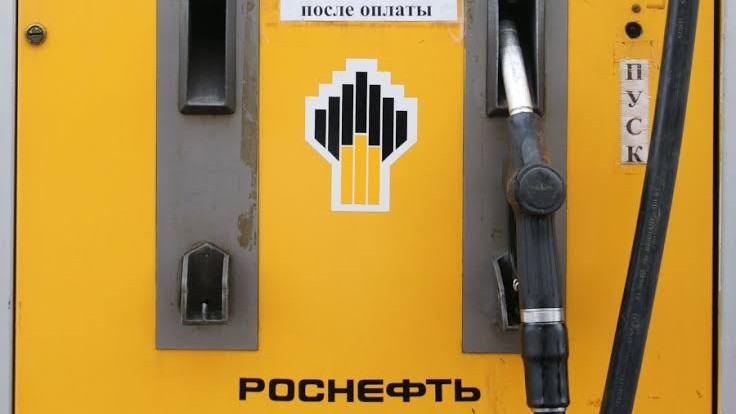
Reports indicate that at some Gazprom Neft automated stations, sales are capped at 40 liters, while other stations have a 60-liter limit for gasoline. Rosneft, Russia's largest oil producer, has imposed a nationwide limit of 30 liters of gasoline per vehicle. These companies have also warned of potential delays and longer waiting times due to increased demand.
The stated reason for these disruptions by Russian energy firms is 'unscheduled refinery maintenance,' a euphemism widely understood to refer to damage caused by Ukraine's persistent drone attacks. On Wednesday, Ukrainian drones reportedly struck an oil refinery and a residential building in the republic of Bashkortostan, a region far from the Ukrainian border, underscoring the extended reach of these attacks. Regional head Radiy Khabirov confirmed the incident, noting minor damage to a unit undergoing maintenance.
Russian officials have recently begun openly acknowledging the fuel shortage, describing it as the 'second wave' of crisis. The Kremlin has stated that oil companies are taking measures to increase deliveries to affected regions. The ongoing drone campaign and its impact on fuel supply highlight the strategic importance of energy infrastructure in the conflict.