Key facts
- Russia is increasing mass production and use of jet and missile drones.
- Newer Geran variants approach cruise missiles in design and capabilities.
- Jet drones fly faster than conventional Shaheds, reducing detection and interception time.
- The new drones are estimated to fly at 400-600 km/h, three times the speed of previous versions.
- The latest models can carry up to 90 kg of explosives.
- Around 60% of these new drones are destroyed by Ukrainian air defenses.
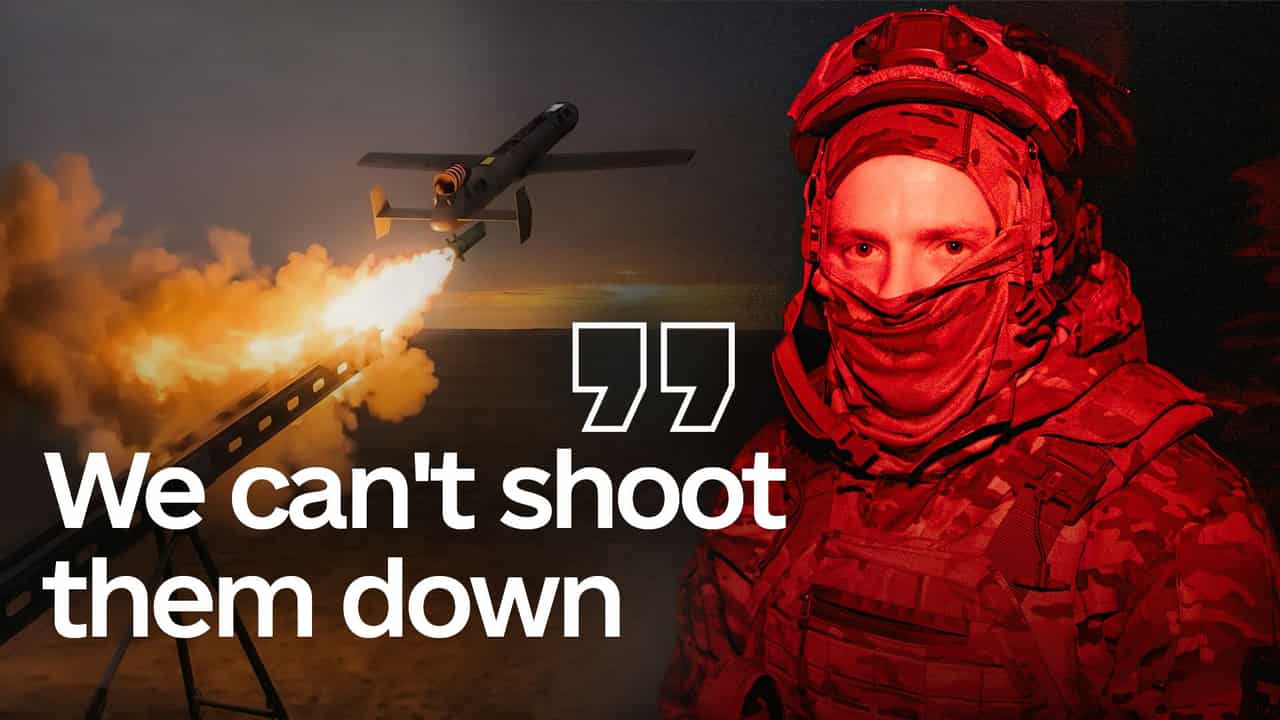
Russia is intensifying its drone attacks on Ukraine, increasingly employing faster, jet-powered drones that pose a significant challenge to the country's air defense systems. These newer models, such as modified Geran variants and Banderol missile drones, are designed to be faster and more difficult to intercept than previous Shahed-based drones.
According to Anton Zemlyanyi, a senior analyst at the Ukrainian Center for Security and Cooperation, Russia is prioritizing the mass production of these jet drones as the effectiveness of older models diminishes. The primary advantage of the new systems is their speed, which allows less time for Ukrainian air defenses to detect, track, and destroy them. This could enable more drones to penetrate defensive layers and reach targets deep within Ukraine.
Military expert Oleh Katkov noted that some newer Geran variants are approaching the capabilities of cruise missiles, though they remain cheaper and potentially easier to produce at scale. However, the production of jet engines, a key component, presents a bottleneck, with Russia potentially relying on Chinese suppliers. Ukraine is also developing its own jet drones, with developers reportedly working on such systems before Russia.
The increased speed of these drones also presents an economic challenge for Ukraine. While advanced systems like Patriot can engage high-speed targets, using expensive surface-to-air missiles against relatively inexpensive drones is often not cost-effective. This is driving interest in developing cheaper interceptor drones.
The new wave of attacks has led to near-constant air alerts in Kyiv, disrupting daily life, closing businesses and schools, and causing traffic gridlock. The attacks have also strained Ukraine's resources, which are already dealing with an increase in Russian ballistic missile strikes.