Key facts
- Breman said refining costs for petrol and diesel stayed high and currency depreciation threatened to lift import prices.
- Breman said October's selected price index suggested indirect cost effects could strengthen.
- Breman said weak wage growth and stable medium-term expectations helped limit price increases.
- Breman said exporters gained from a lower currency and strong dairy and meat prices.
- Breman said the committee would respond as needed to return inflation sustainably to its 2% target.
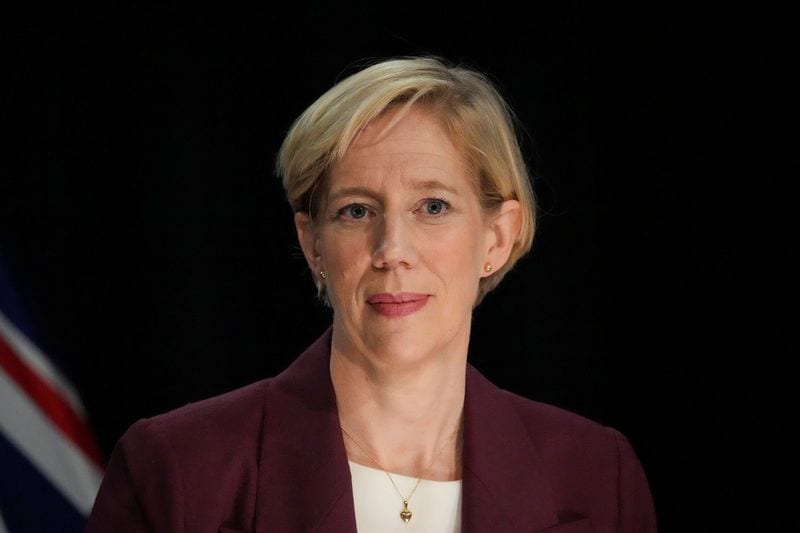
Reserve Bank of New Zealand Governor Anna Breman said on November 18 that inflation remained above the central bank's 2% midpoint, with costly fuel and a weaker currency keeping pressure on prices. She spoke at an Auckland Institute of Directors event, Reuters reported.
Breman said fuel prices and currency depreciation were the principal drivers of inflation, even as global oil prices declined. The cost of refining crude into petrol and diesel remained high, and she said the weaker New Zealand dollar threatened to lift import prices.
She said data through the September quarter showed less evidence than policymakers expected that higher costs were spreading into broader consumer prices. October's selected price index, however, suggested indirect effects could strengthen.
Demand remained subdued, which Breman said made it difficult for firms to raise prices, while weak wage growth and stable medium-term expectations helped. Underlying inflation measures remained elevated, she said, keeping officials alert to more persistent price pressures.
Breman described the recovery as continuing but uneven. Exporters had benefited from a lower currency and robust dairy and meat prices, while manufacturing, construction and services had shown signs of improvement.
She said the Monetary Policy Committee would weigh incoming data before its next decision in coming weeks and would respond as needed to return inflation sustainably to its 2% target. The committee surprised markets by holding the official cash rate at 2.75% in October, a decision that split its members.