Key facts
- Finance Minister Dario Durigan said the fiscal package in the Senate is only a "first step" and not the government's roadmap for coming years.
- Durigan said Brazil must strengthen its fiscal position to help create conditions for the central bank to cut borrowing costs.
- Durigan said the government should address exemptions and carve-outs from the fiscal target framework to reach the midpoint of its goal.
- Durigan said there are no plans to control free capital flow in Brazil or to change the inflation target.
- Durigan said growth is expected to slow next year but that he does not foresee a recession.
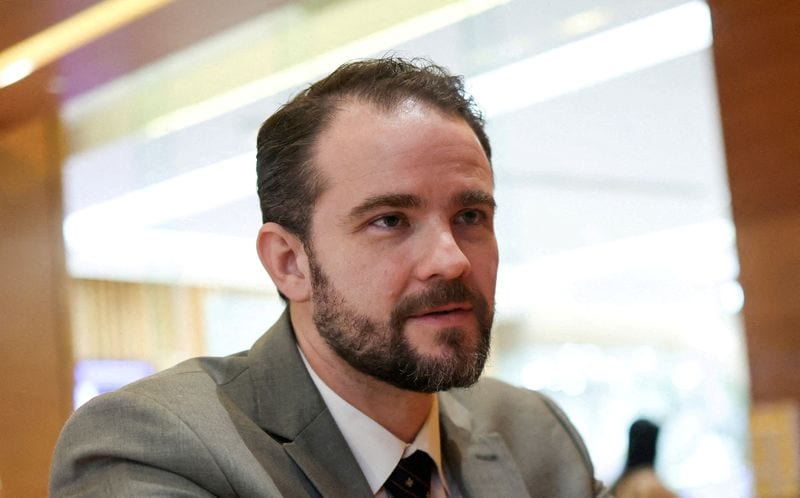
Brazil's Finance Minister Dario Durigan said on November 18, 2026, that the government would move ahead with additional fiscal measures in the near term, arguing that improving public finances is essential to create room for lower interest rates. He spoke at an event hosted by Bradesco BBI after a meeting with President Luiz Inacio Lula da Silva earlier in the day.
Durigan said the fiscal package currently in the Senate is only a "first step" and should not be viewed as the government's fiscal roadmap for the coming years. "We are going to adopt new and additional measures right away," he said.
Since Lula's surprise reelection last month sparked a sharp depreciation of Brazilian assets, investors have been awaiting structural fiscal measures and clearer signals from Lula on his economic team and agenda for the next term, according to the report.
Durigan described fiscal policy as the government's main tool to address economic challenges, saying Brazil needed to strengthen its fiscal position to help create the conditions for the central bank to cut borrowing costs. He said the government should address exemptions and carve-outs from the fiscal target framework to reach the midpoint of its goal, and that there are no plans to control free capital flow in Brazil or to change the inflation target.
On the economy, he said growth is expected to slow next year but that he does not foresee a recession. He said the government would seek to improve existing public programs rather than expand them, with the aim of restoring "rationality" to spending, and that the administration does not expect additional revenue from the country's consumer tax reform.