Key facts
- Lubinets said food, water, medicines, generator fuel and hospital equipment were provided to residents who chose to stay in Oleshky.
- Melania Trump said the mission was a success and enabled the evacuation of nearly 800 people and delivery of aid.
- Lubinets said 22 ambulances transported people with limited mobility during the operation, whose route ran through Russia and Belarus.
- Lubinets said he and Russian Human Rights Commissioner Yana Lantratova discussed aid shipments at least once a month.
- Both countries observed a temporary cease-fire in Oleshky lasting five days, 19 hours and 59 minutes, Lubinets said.
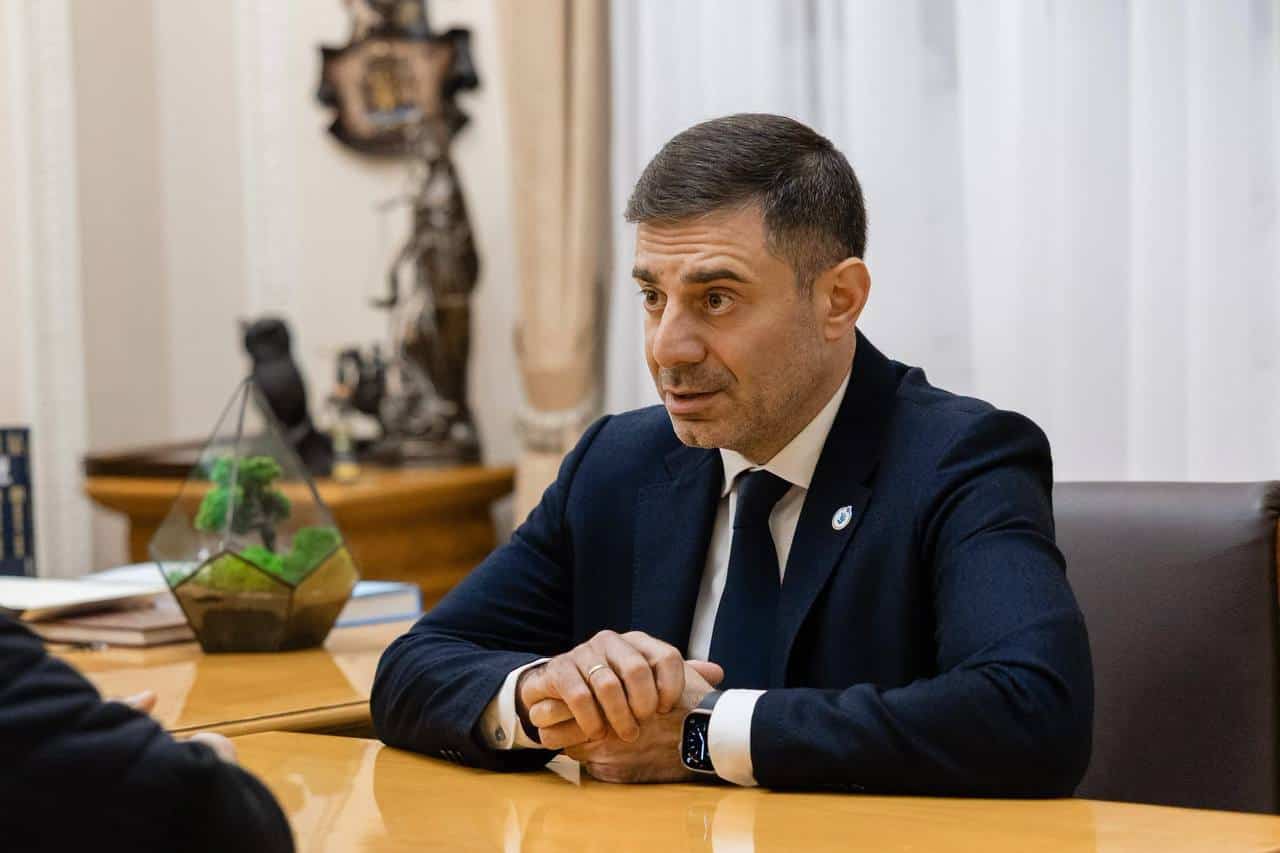
Ukraine's human rights ombudsman, Dmytro Lubinets, said on November 2 that some residents still in Russian-occupied Oleshky expressed a wish to stay, while some families evacuated during the recent humanitarian mission were still on their way to Ukrainian-controlled territory. He said he had personally spoken with citizens who chose to remain in Oleshky.
Lubinets said food, water, medicines, fuel for generators and hospital equipment were provided for those who stayed. He said the exact number of people still remaining in Oleshky cannot be verified, and that Ukraine cannot reveal the number of evacuees under an agreement with Russia.
U.S. first lady Melania Trump, who negotiated the temporary cease-fire in Kherson Oblast between Ukraine and Russia to enable the mission, said the mission was a success, enabling the evacuation of nearly 800 people and allowing the delivery of critical aid. Lubinets said that not everyone who chose not to head for Ukrainian-controlled territories went to Russia specifically, as some people told him they wanted to stay in other areas of Russian-occupied territories because they had relatives there.
Several families that left Oleshky were still on their way to Ukraine as of November 2, Lubinets said, as doctors had determined their health conditions were too fragile for air travel. The original evacuation journey involved flying from Russia to Belarus. The operation involved 22 ambulances to transport people with limited mobility, according to Lubinets.
Lubinets and Russian Human Rights Commissioner Yana Lantratova also discussed ways to make humanitarian aid deliveries to Oleshky systematic, with shipments planned at least once a month, according to Lubinets. He said the mechanism for monitoring shipment contents is still being developed and that the previous convoy was delivered under Ukrainian supervision.
Both Ukraine and Russia observed the temporary cease-fire in Oleshky, lasting five days, 19 hours and 59 minutes. Oleshky has been under Russian occupation since the early days of Russia's full-scale invasion. Before the war the city had a population of around 24,000; by October, Ukrainian officials believed around 2,000 people, including about 50 children, remained.