Key facts
- The Samarsky family stayed in Oleshky to care for Serhii's mother, who had stage-four cancer, and his father, who had suffered a stroke.
- Olha Liutikova said Russian soldiers detained her and her husband and held them in a basement for three days.
- The family said Russian soldiers launched drones from the apartment building where they lived.
- Oleksandr Tolokonnikov, deputy head of the Kherson Regional Military Administration, told the Kyiv Independent in April that civilians' presence helps shield Russian positions.
- Around 500 Oleshky residents reportedly died in the June 2023 flood, while volunteers at the time estimated some 2,000 people were missing.
- Ukraine's Human Rights Ombudsman, Dmytro Lubinets, said the last food delivery by vehicle to Oleshky was on May 26.
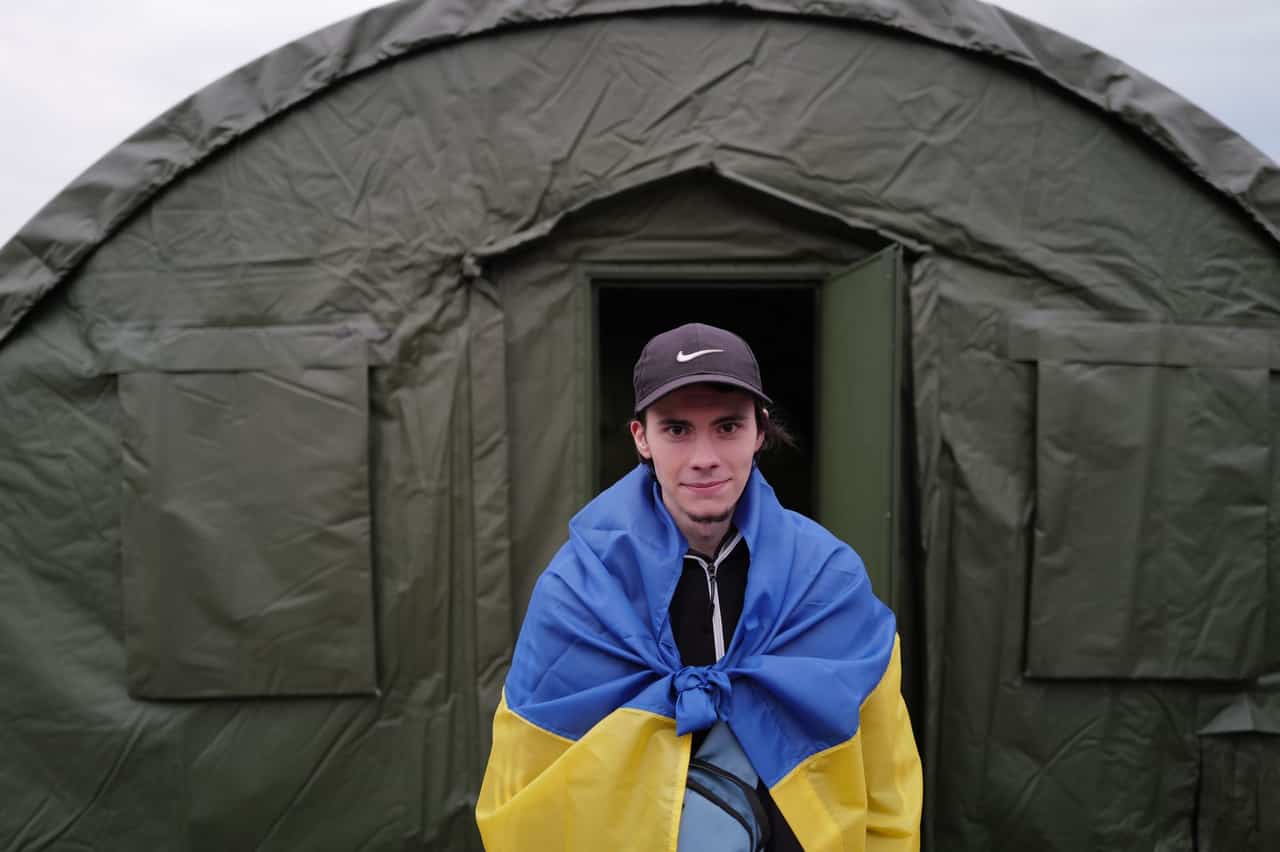
Serhii Samarsky, his wife Olha Liutikova and their son Vladyslav lived in Oleshky, a town on the eastern bank of the Dnipro River in Kherson Oblast, through years of Russian occupation. They left in late October 2026 on a humanitarian mission mediated by U.S. first lady Melania Trump, the Kyiv Independent reported on November 9. The family spoke to the outlet at the Ukraine-Belarus border in Chernihiv Oblast after a day-long mission on October 31, 2026.
The family said they stayed because they were caring for Serhii's mother, who had stage-four cancer, and his father, who had suffered a stroke. Both parents died about a year before the report. Olha said Russian soldiers gradually filled the apartment building where they lived, taking flats left empty by residents who fled. The family said soldiers launched drones from the building.
Olha said Russian soldiers detained her and Serhii and held them in a basement for three days. She said they were interrogated because they wanted to live in Ukraine. Serhii said soldiers persecuted children studying online in Ukrainian schools and broke into houses and tortured people.
Oleksandr Tolokonnikov, deputy head of the Kherson Regional Military Administration, told the Kyiv Independent in April that Russian forces stationed artillery, mortars and landmines inside residential areas and that the presence of civilians helps shield Russian positions from Ukrainian strikes.