Key facts
- The Court of Arbitration for Sport ruled on October 30 that the IIHF's exclusion of Russian athletes was unlawful.
- Ukraine's captain Ihor Merezhko called the ruling "particularly painful" and said sports cannot be separated from politics.
- Seven countries have refused to play Russia: Czechia, Denmark, Latvia, Norway, Sweden, Canada and Finland.
- Canada's immigration minister will individually assess and prevent Russian and Belarusian athletes from entering under national symbols.
- The IIHF said it was disappointed with the ruling but has not announced further steps.
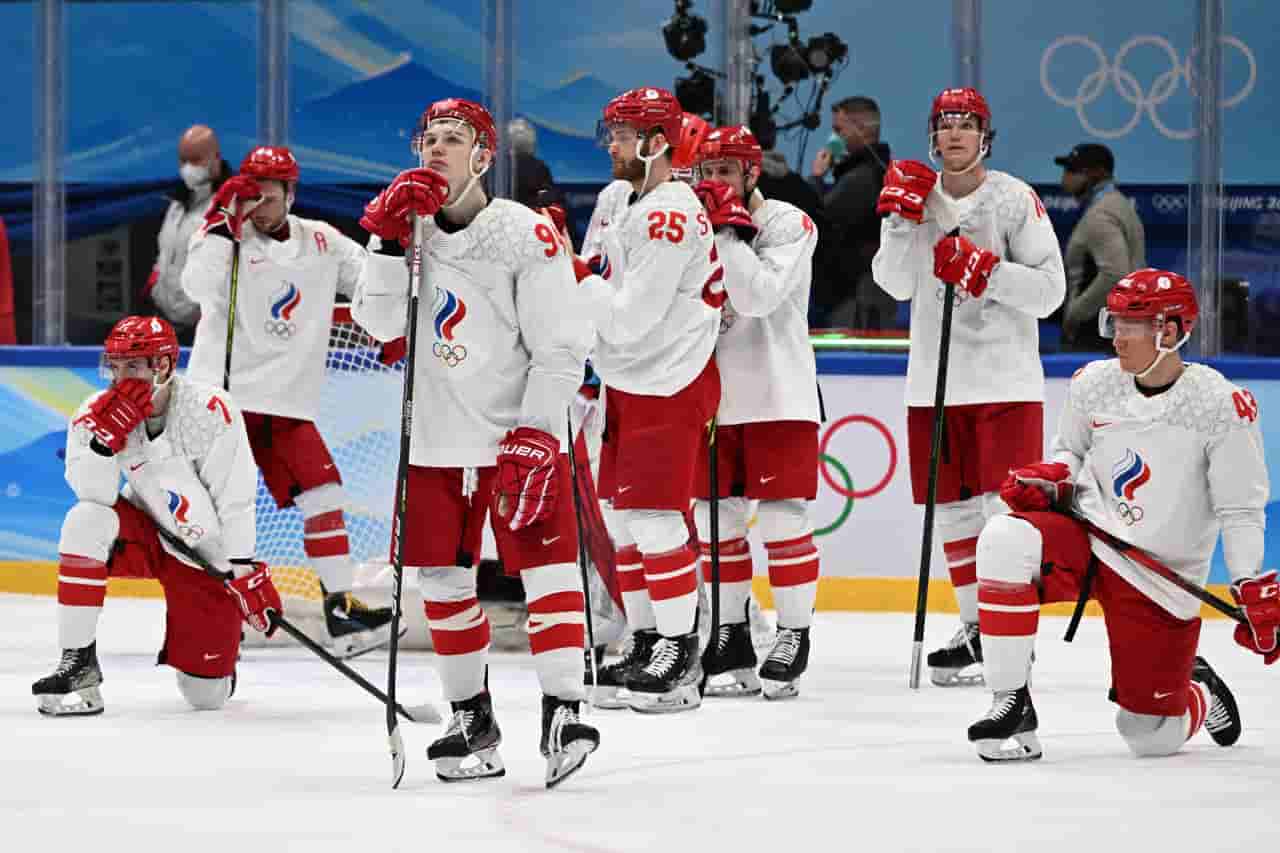
The Court of Arbitration for Sport ruled on October 30 that the International Ice Hockey Federation's exclusion of Russian athletes from its tournaments was unlawful, a decision that has drawn opposition from several national federations and the IIHF itself. Ukraine's national team captain, Ihor Merezhko, told the Kyiv Independent that the ruling was "particularly painful" and that sports cannot be separated from politics while missiles are destroying ice arenas and killing athletes.
Serhii Mazur, president of the Ice Hockey Federation of Ukraine, said the ruling was unexpected and that the CAS decided within three days. He said the FHU's legal team is preparing for all outcomes and is negotiating with around 50 associations worldwide. The IIHF said it was disappointed with the ruling but has not announced further steps.
National federations in Czechia, Germany, Finland, Canada and elsewhere have sided with Ukraine, with some vowing to boycott next year's world championship if Russia returns. The German Ice Hockey Federation, host of the 2027 IIHF World Championship in May 2027, said allowing Russia to participate would have significant security, political and economic consequences for hosts. Canadian Prime Minister Mark Carney said "Russians will not be there" for the World Junior Hockey Championship in Edmonton and Red Deer from December 26, 2026, to January 5, 2027. The Canadian government said on November 3 that immigration minister Lena Metlege Diab will individually assess and prevent Russian and Belarusian athletes and officials from entering Canada to compete under their national symbols. The Czech Ice Hockey Association said in an October 30 statement that the ruling does not automatically change its position. Finland said it is bringing countries together to form a common front against playing Russia. Seven countries have refused to play Russia: Czechia, Denmark, Latvia, Norway, Sweden, Canada and Finland.
The ruling is part of a wider trend of Russian athletes returning to international sports. The International Olympic Committee provisionally lifted the suspension of the Russian Olympic Committee ahead of the 2028 Summer Olympic Games in Los Angeles. The World Gymnastics Federation allowed Russian and Belarusian athletes to compete under their national flags in May 2026. EU chief diplomat Kaja Kallas warned that sports and culture must not become vehicles for whitewashing Russian aggression. Lithuania was stripped of its right to host an April 2027 international pentathlon tournament after refusing visas to Russian and Belarusian athletes. The International Weightlifting Federation announced on October 25 that the 2030 International Weightlifting Championships will be held in Moscow.