Key facts
- Reuters found 521 hotels and resorts among more than 7,000 properties in occupied Zaporizhzhia listed as ownerless.
- At least 77 of the hotels and resorts are controlled by Russian businesses, 20 of them by Russian state entities, records show.
- Kremlin spokesman Dmitry Peskov said property not re-registered under Russian jurisdiction became ownerless.
- Ukraine's foreign ministry said Russia's property laws in occupied areas create a legal smokescreen for state-sponsored theft.
- Judge Mykhailo Smokovych found Russia's actions a de facto expropriation; no Russian representatives took part in the case.
- The Register of Damage for Ukraine has no funding mechanism yet to pay claims, it says.
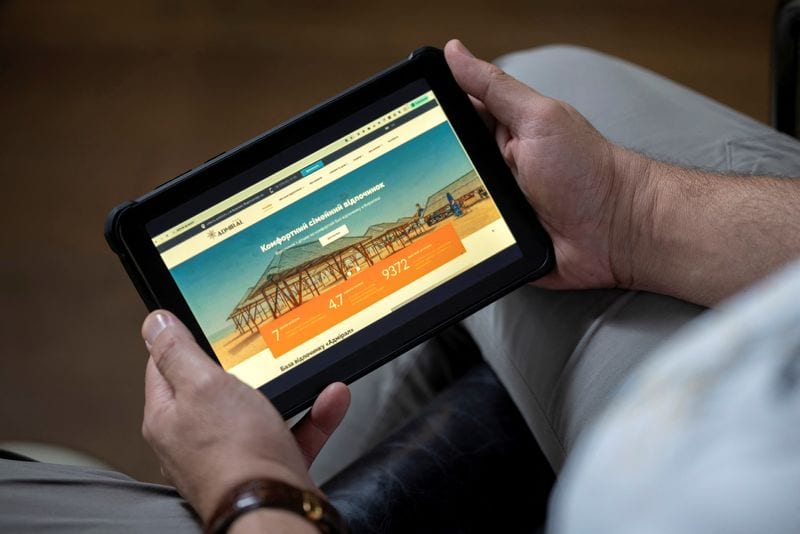
A Ukrainian civil court awarded businessman Denys Katyukha $5.1 million in damages on April 30, finding that Russia's takeover of his Admiral hotel on the Sea of Azov amounted to a de facto expropriation. Reuters reported the judgment and the wider pattern of seizures on November 6. No Russian representatives took part in the proceedings, and the judgment is unlikely to be paid.
Katyukha, 49, fled Ukraine to Germany after the 2022 invasion. He said his father, who stayed behind, was told by armed men in September 2022 that the hotel was ownerless and that he had three days to prove ownership. The paperwork he submitted was rejected because the state did not recognize Ukrainian passports or property deeds, Katyukha said. Reuters said it could not independently verify all elements of his account.
A Reuters examination of Russian and Ukrainian property records found that Russian authorities have identified more than 7,000 commercial and residential properties in the occupied Zaporizhzhia region as ownerless, including 521 hotels and resorts. At least 77 of those hotels and resorts are now controlled by Russian businesses, 20 of them by Russian state entities, tourism and corporate records show.
On September 28, 2022, a Russian-controlled commission appointed Resorts of Zaporizhzhia Region, a Russian state entity, as the Admiral's new owner along with more than 100 other businesses, according to the commission's meeting minutes. The entity, renamed the Zaporizhzhia Region Investment Development Agency in April, reported net revenue of 65.7 million roubles, or about $800,000, in 2023 and did not respond to a request for comment.
Kremlin spokesman Dmitry Peskov said: "Everyone who wished to do so was given the opportunity to re-register their property under Russian jurisdiction. Property that was not re-registered became ownerless." Ukraine's Ministry of Foreign Affairs said Russia's new property laws in occupied areas create "a legal smokescreen" for what it calls state-sponsored theft. The Russian-backed Zaporizhzhia occupation authorities did not respond to queries.
Karolina Hird, a national-security fellow at the Washington-based Institute for the Study of War, said the seizures let Russia consolidate control over the areas and generate money for the war effort. A tourism-development plan published by the occupation authorities in March showed 150,000 people traveled to the Azov region in 2025, 5% of what Ukraine reported for Kyrylivka and Berdiansk in 2021.
Katyukha compiled a 3,000-page tally of his losses, from microwaves and chandeliers to a 20-cent can opener. He has also filed a claim with the EU-backed Register of Damage for Ukraine in The Hague, joining more than 195,000 claimants; the Register says it expects 6 to 8 million claims and has no funding mechanism yet.