Key facts
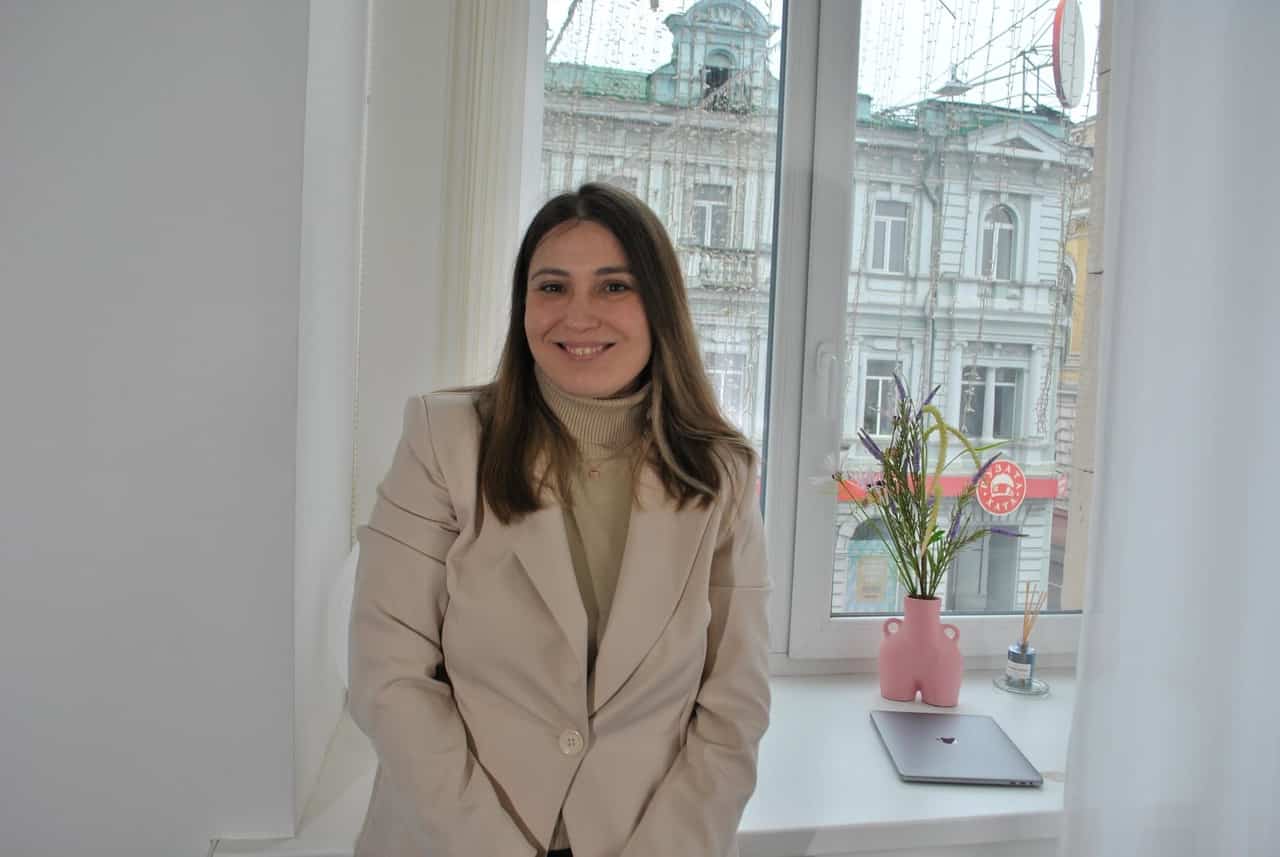
- Oleksandra Kazarovytska, 44, was director of studies at a Kharkiv language school that announced her death.
- The school said Russian occupation authorities detained her after finding correspondence with a volunteer on her phone.
- Russian occupation authorities said Kazarovytska committed suicide on October 25 after three months in solitary confinement.
- Ukraine's human rights ombudsman Dmytro Lubinets estimates Russia unlawfully holds about 16,000 Ukrainian civilians in about 200 detention sites.
- Russian authorities plan to build another pretrial detention center in Crimea with space for 1,500 people by 2030.
A Ukrainian woman from Kharkiv died while being held in a Russian pretrial detention center in occupied Crimea, according to a November 5 statement by a Kharkiv language school she co-founded. Oleksandra Kazarovytska, 44, was director of studies at the school.
The school said Kazarovytska had returned to occupied Sevastopol to help her parents sell their apartment before they planned to relocate to Turkey. She was born in Sevastopol, and her parents continued living in occupied Crimea after Russia claimed to have annexed the peninsula in 2014.
According to the school's statement, Russian occupation authorities detained Kazarovytska when correspondence with a volunteer from the start of the full-scale invasion was found on her phone. She was then held in solitary confinement, likely in occupied Simferopol.
Russian occupation authorities said Kazarovytska committed suicide on October 25 after three months in solitary confinement, and claimed she was buried in Sevastopol on November 4. Her former colleagues said in their statement: "It is impossible to imagine that a young, talented, bright person was so cruelly torn from life."
An investigation by the Kyiv Independent reported that two new Russian pretrial detention centers in occupied Crimea form part of a system in which Ukrainian civilians are held for months without formal charges, access to lawyers or family contact, and that detainees reported torture and abuse under the watch of Russia's Federal Security Service (FSB). Former detainees told the outlet their relatives sometimes did not know whether abducted loved ones were still alive.
Russia's Federal Penitentiary Service formally operates SIZO No. 2 in Simferopol, but testimony gathered by the Kyiv Independent indicates the FSB has special access to it. The other facility, SIZO No. 8, officially came under FSB control in March 2026.
International humanitarian law allows an occupying power to intern civilians it believes pose a security threat, but only under strict conditions including a right to appeal, regular reviews and confinement in designated internment facilities. In a September 2025 report, the U.N. Human Rights Office said it was not aware that Russia had established and applied such a procedure for those detained in occupied Ukraine.
According to estimates by Ukraine's human rights ombudsman Dmytro Lubinets, Russia unlawfully holds about 16,000 Ukrainian civilians in about 200 detention sites in Russia and occupied parts of Ukraine, and only a few hundred have been brought back. Russian authorities plan to build another pretrial detention center in Crimea with space for 1,500 people by 2030.