Key facts
- Kyivvodokanal said power outages at its facilities disrupted water supplies across all districts of Kyiv.
- Mayor Vitali Klitschko said water pressure was gradually returning to normal at 3:13 p.m. local time.
- Kyiv metro trains on the Dnipro River line resumed at 1:05 p.m. at nine-minute intervals, the city administration said.
- The death toll in Komyshuvakha rose to 43, with 33 people still missing as of November 5, authorities said.
- Russian forces struck Komyshuvakha with aerial bombs on November 2, including a 3-ton FAB-3000, Zelensky said.
- Russia carried out its largest attack on Ukrainian energy facilities in 2026 on November 3, cutting Kyiv water for over 24 hours.
Kyiv residents faced renewed water supply disruptions on November 5, 2026, as voltage fluctuations following Russian attacks also affected metro operations, local authorities said.
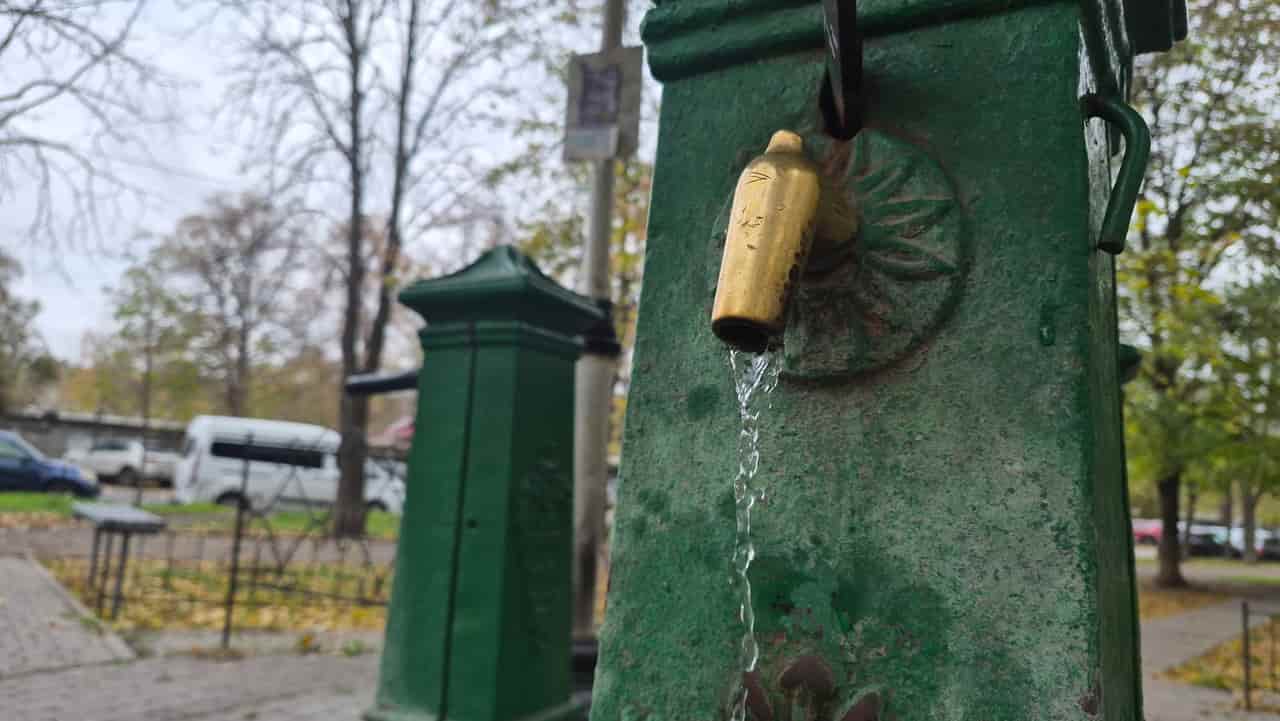
Kyivvodokanal, the municipal utility responsible for water supply and wastewater services in Kyiv and the surrounding region, said at around 1:30 p.m. local time that power outages at its facilities had disrupted water supplies across all districts of the capital. Mayor Vitali Klitschko said at 3:13 p.m. local time that water pressure in the capital's supply system was gradually returning to normal, with service being restored in areas affected by the outages.
Oleksandr Kharchenko, director of the Energy Industry Research Center, told the Kyiv Independent that the energy grid is not stable and is being repaired, with damage from attacks over the last three months and repair work limited by constant attacks. Kharchenko previously told the Kyiv Independent that the capital was facing severe water outages because Russian forces destroyed power generation at three combined heat and power plants in January 2026. Kyivvodokanal lacks backup power generation to operate Kyiv's large pumping stations, and diesel generators installed at smaller pumping stations are not powerful enough to run larger ones, the Kyiv Independent previously reported.
Power supply disruptions also affected Kyiv's metro system. Around noon, train services on the line running across both banks of the Dnipro River were temporarily suspended due to voltage fluctuations, the Kyiv City State Administration said. Train services resumed at 1:05 p.m. local time, but trains were running at nine-minute intervals, compared with the usual three to five minutes at that time of day.
Russia resumed its energy blitz on Kyiv in late September, bringing rolling power outages back to the capital as winter approaches. With the arrival of autumn, Russian forces launched a new wave of attacks on Ukraine's energy infrastructure, which was already under heavy strain from damage sustained during previous attacks. As electricity consumption rises with colder weather, Russia carried out on November 3 its largest attack on energy facilities in 2026. Following the strike, water supplies were cut off across Kyiv for more than 24 hours.
The bodies of 43 Ukrainians have been recovered from the rubble in the village of Komyshuvakha in Zaporizhzhia Oblast, with 33 more people still missing as of November 5, three days after Russian forces attacked the settlement with heavy aerial bombs, authorities said. Early on November 5, Ukraine's National Police reported that 42 bodies had been retrieved, with President Volodymyr Zelensky adding later that the death toll had risen to 43.
Russian forces struck Komyshuvakha several times with aerial bombs on the morning of November 2, initially hitting a school building where local residents had gathered to receive humanitarian aid. One of the bombs was a 3-ton FAB-3000, which contains more than 1,000 kilograms of explosives and has a blast radius of up to 250 meters. Following the first strike, Russian forces dropped another nine aerial bombs on a shelter where people were taking refuge, Zelensky reported at the time. The president called it an "exceptionally horrific strike," saying it was proof Russia did not want to de-escalate the situation.
According to Ukraine's State Emergency Service, rescue workers and police officers had arrived at the scene when the threat of another Russian strike emerged. The rescuers took shelter, but Russian forces carried out further strikes on the same site. Two rescue workers, Denys Konovalenko and Oleksii Sushchevskyi, both 44, were among those killed, the State Emergency Service said. A 53-year-old military medic from Zhytomyr, Oleksandr Zaryashchuk, was also killed in the strike, said Suspilne Zaporizhzhia.