Key facts
- Kyivvodakanal said the Nov. 3 attack effectively cut off all water supply in Kyiv.
- Outages were reported in most districts of Kyiv, including the center, the Kyiv Independent reported.
- Mykhailo Yatsuk, director of the Institute of Water Problems and Land Reclamation, called it the most serious water outage in Kyiv since the war began.
- Oleksandr Kharchenko, director of the Energy Industry Research Center, said Russian strikes in January crippled power generation at three of Kyiv's combined heat and power plants.
- Local officials said the death toll from the Nov. 2 strike on Komyshuvakha rose to 40 on Nov. 4.
- Zelensky said more than 30 people may still be trapped under the rubble in Komyshuvakha.
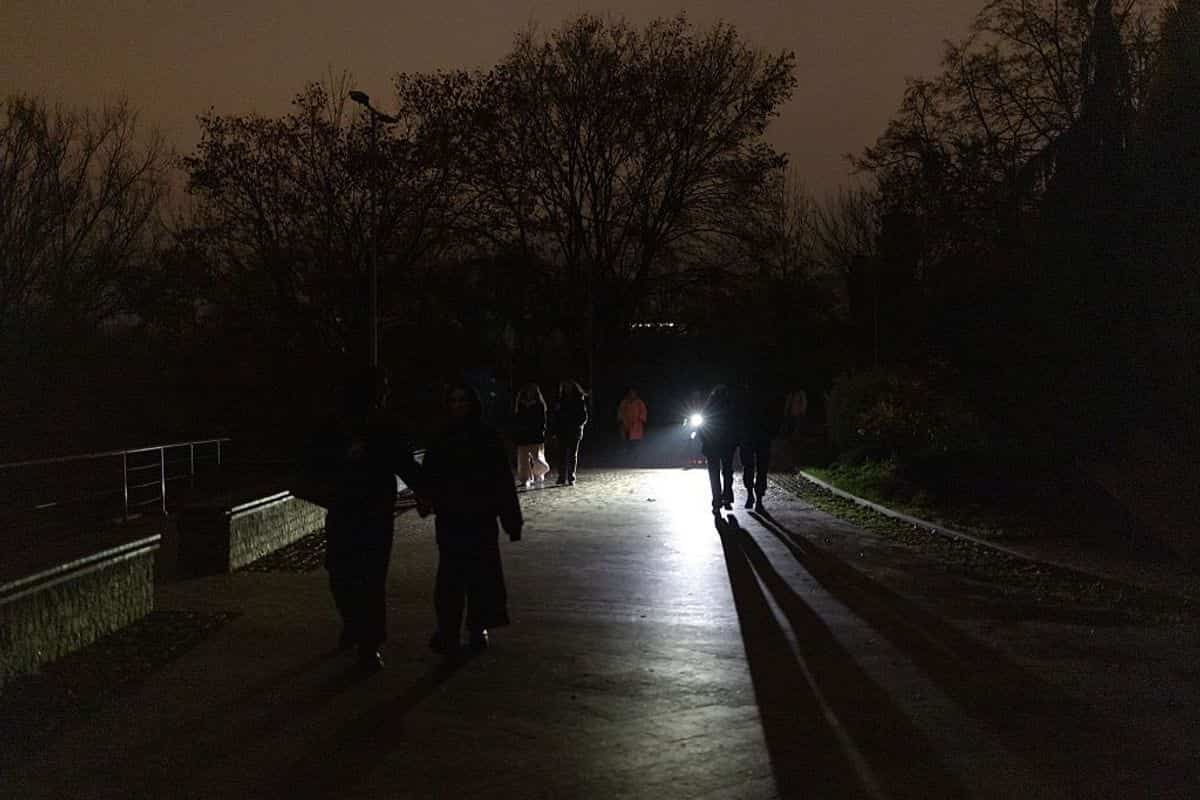
Russian strikes on Ukraine's energy system on Nov. 3 cut power to Kyiv and left residents without water for more than 24 hours, the Kyiv Independent reported, citing three people with knowledge of the matter, including a government advisor. Kyivvodakanal, the capital's city-run water company, said the attack effectively cut off all water supply in the city. By the afternoon of Nov. 4, its workers had stabilized the water system, though several hours were needed to refill networks and restore pressure.
Outages were reported in most districts of Kyiv, including the center, where some restaurants closed their bathrooms to customers, the Kyiv Independent reported. Authorities have not confirmed the exact number of consumers left without water. Mykhailo Yatsuk, director of the Institute of Water Problems and Land Reclamation, told the outlet it was the most serious water outage in Kyiv since the war began and said he expected the situation to worsen in winter.
Oleksandr Kharchenko, director of the Energy Industry Research Center, told the Kyiv Independent that Russian strikes in January crippled power generation at three of Kyiv's combined heat and power plants, removing the option to power water supply from one of them. A manager at a water pump company, speaking on condition of anonymity, said residents should stockpile water ahead of winter.
The same day, local officials said the death toll from a Russian airstrike on the village of Komyshuvakha in Zaporizhzhia Oblast had risen to 40 as search operations entered a third day. Russian forces struck the village with aerial bombs on Nov. 2, hitting a school used as a humanitarian aid distribution center. President Volodymyr Zelensky said on Nov. 4 that some bodies had not been identified and that more than 30 people may still be trapped under the rubble.