Key facts
- Bloomberg Economics analysts Ekaterina Vlasova and Alex Kokcharov said an immediate economic collapse was unlikely.
- The analysts said sustaining the war through 2027 would depend on timely, reliable and adequate Western financing.
- The EU, Ukraine's largest international donor, set up a 90-billion-euro loan split between 2026 and 2027.
- The Commission's 2027 tranche proposal includes 13.3 billion euros in budget support and 31.7 billion euros for defense industry.
- The EU Council must approve the allocation before disbursement, with payments expected to begin in early 2027.
- The report said French presidential and Italian and Polish parliamentary elections next year could threaten continued assistance.
Ukraine's economy was projected to contract 0.4% in 2026, the first annual decline since 2022, according to a Bloomberg Economics report. The National Bank of Ukraine cut its forecast from 1.8% growth, saying intensified Russian attacks were a major factor.
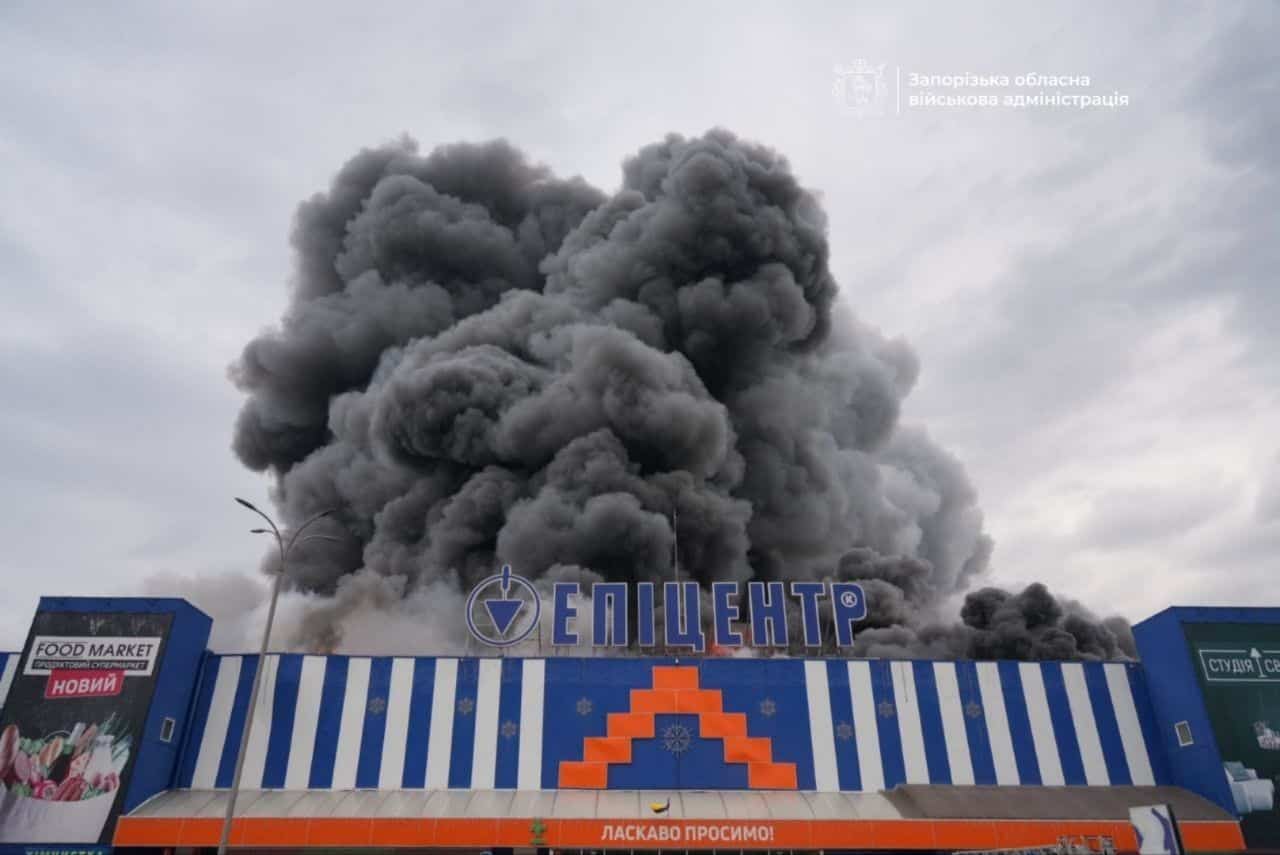
Russian forces expanded their targeting over the six months to October 2026 beyond energy facilities to business infrastructure and civilian transport networks, using missiles and drones, the report said. The strikes are disrupting production, logistics and exports.
Bloomberg Economics analysts Ekaterina Vlasova and Alex Kokcharov said an immediate economic collapse was unlikely, but sustaining the war through 2027 would depend on timely, reliable and adequate Western financing. President Volodymyr Zelensky said in October that Ukraine would need 70 billion euros to finance its defense in 2027.
The EU, Ukraine's largest international donor, established a 90-billion-euro support loan split between 2026 and 2027. The European Commission presented its proposal for the 2027 tranche, including 13.3 billion euros in budget support and 31.7 billion euros to strengthen Ukraine's defense industry. The EU Council must approve the allocation before funds can be disbursed, with payments expected to begin in early 2027.
The report noted that presidential elections in France and parliamentary elections in Italy and Poland next year could threaten continued assistance. Ukraine's economy shrank by more than 30% in 2022 after Russia's full-scale invasion.