
Key facts
- Karl Deisseroth, Peter Hegemann and Georg Nagel won the Nobel Prize in Physiology or Medicine.
- They developed optogenetics, a technique using light to control nerve cell behavior.
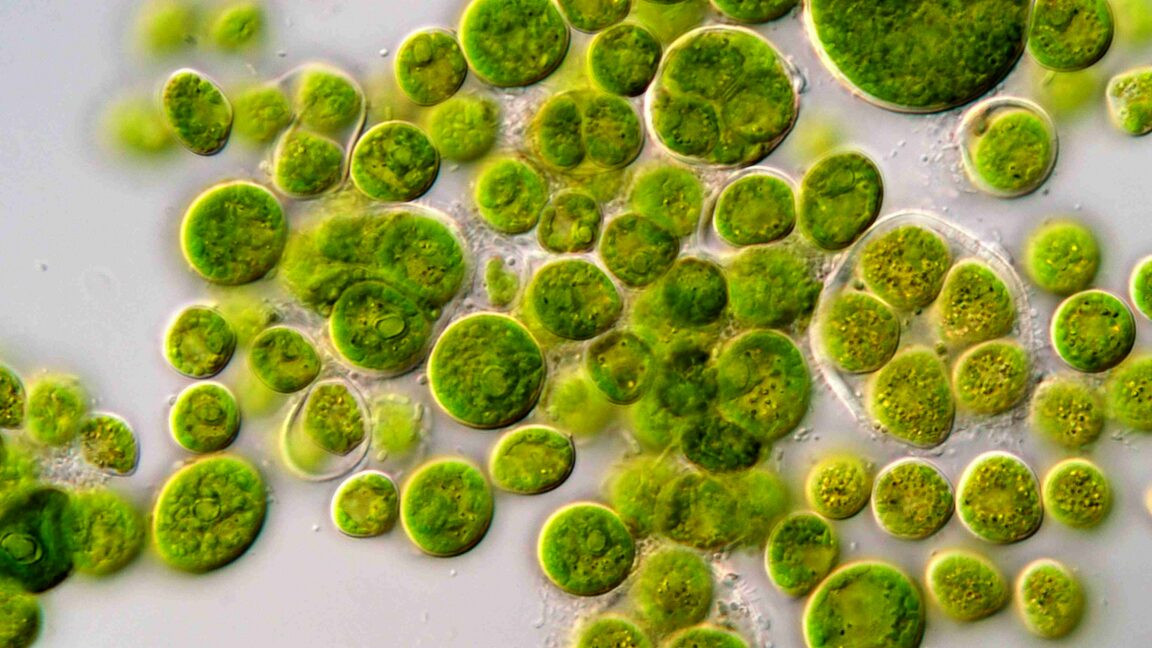
- The technique relies on light-sensitive proteins called channelrhodopsins found in algae.
- Optogenetics allows researchers to activate or deactivate specific neurons by exposing them to light.
- This method has revolutionized the study of neural circuits and their role in behavior.
- Channelrhodopsins have also been used to restore limited light sensing in patients with certain forms of blindness.
The Nobel Prize in Physiology or Medicine has been awarded to Karl Deisseroth, Peter Hegemann, and Georg Nagel for their pioneering work in optogenetics. This revolutionary technique allows scientists to control the activity of nerve cells using light, offering unprecedented insights into brain function and behavior.
The development of optogenetics began with studies of single-celled algae, such as Chlamydomonas, which possess light-sensing capabilities. Hegemann's research identified genes in these algae responsible for light-triggered ion influxes, leading to the discovery of channelrhodopsins. Nagel further demonstrated that these genes could function in various cell types, including frog embryos and cultured human cells, and that light could alter the behavior of organisms like C. elegans when channelrhodopsins were active in their neurons.