Key facts
- Nepal will initiate a project to drain four glacial lakes this fiscal year.
- The initiative aims to reduce the risk of glacial lake outburst floods.
- Design and studies for Thulagi, Lower Barun, Lumding Tsho, and Hongu II lakes will commence by mid-July 2027.
- The draining process, using gated structures, is expected to take up to six years.
- The project is funded by the Green Climate Fund, UNDP, and the Nepalese government.
- Previous efforts to lower glacial lake levels in Tsho Rolpa and Imja were successful.
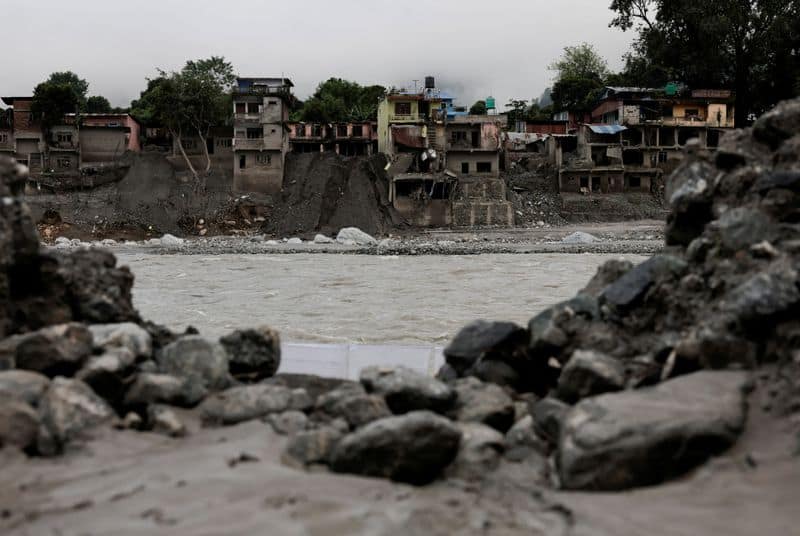
Nepal is initiating a significant project to drain four high-altitude glacial lakes, a move prompted by recent deadly floods and landslides that killed over 1,400 people and left thousands missing. Officials stated the effort, slated to begin this fiscal year, aims to lower the risk of these lakes breaching their natural dams and causing downstream devastation.
The project will involve draining water into nearby rivers in a regulated manner. Design work and detailed studies for the Thulagi, Lower Barun, Lumding Tsho, and Hongu II lakes, situated between 4,050 m and 5,483 m (13,280 ft to 18,000 ft), are scheduled to start by mid-July 2027. The actual draining work, to be conducted through gated structures, could take up to six years to complete. This initiative also includes installing sensors and a flood forecasting system to enhance community resilience.
Nepal has prior experience with such projects, having successfully lowered the levels of Tsho Rolpa glacial lake by 3 meters (10 ft) in 2000 and Imja lake near Mount Everest a decade ago. The urgency for these measures is underscored by the recent disaster, which devastated infrastructure and highlighted Nepal's vulnerability to climate change impacts, despite its minimal contribution to global emissions. Climate scientists warn that rising temperatures are causing Himalayan glaciers to retreat, creating more unstable glacial lakes that pose a constant threat due to factors like earthquakes and avalanches.