Bangkok floods: 40 dead as heavy rains paralyze Thai capital
IN SHORT
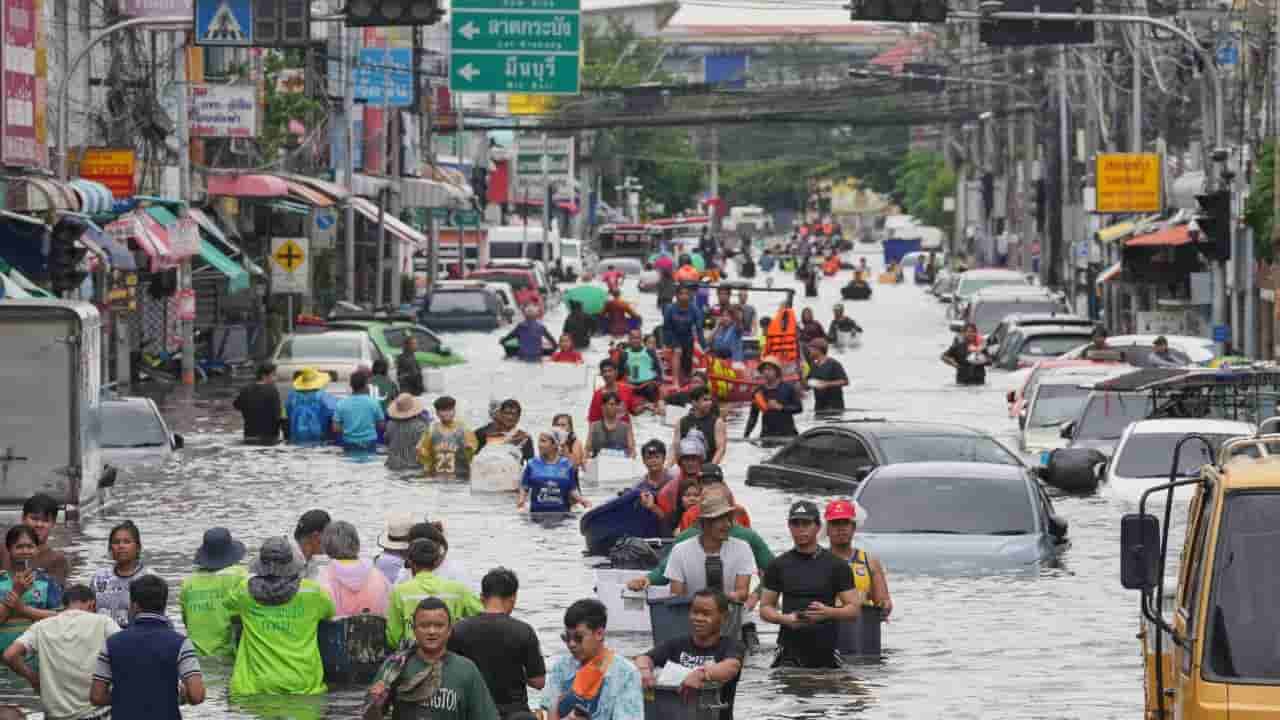
Bangkok has been paralyzed by severe flooding after heavy rains dumped the equivalent of half a year's rainfall in London in just two days. At least 40 people have died in flood-related incidents, with thousands displaced and essential services disrupted. The city's inadequate drainage infrastructure, exacerbated by extensive concrete construction, is struggling to cope with the deluge.
Key Numbers
40deaths in flood-related incidents
230+flood shelters established
300mmrain in two days in some areas
50districts declared flood disaster zones
Who's Involved
Anutin Charnvirakul
Thailand's prime minister, monitoring flood situation and warning of further risk
Suleemas Kurangkul
73-year-old resident whose flat is above floodwaters
Fon
24-year-old whose car was submerged
↳ Why This Matters
The severe flooding in Bangkok highlights the vulnerability of major urban centers to extreme weather events exacerbated by climate change and inadequate infrastructure. The disruptions to transportation, essential services, and daily life underscore the economic and social costs of climate-related disasters, potentially impacting tourism, trade, and the broader Thai economy.