Key facts
- Aselsan seeks partnerships with Japanese companies for underwater drones and air defense systems.
- Turkey and Japan aim to deepen collaboration on defense equipment.
- The first Japan-Turkey Defence Industry Cooperation Day was held in May 2026.
- Terra Drone Corporation has held initial talks with Aselsan.
- Aselsan is developing counter-drone systems for Turkey's "Steel Dome" initiative.
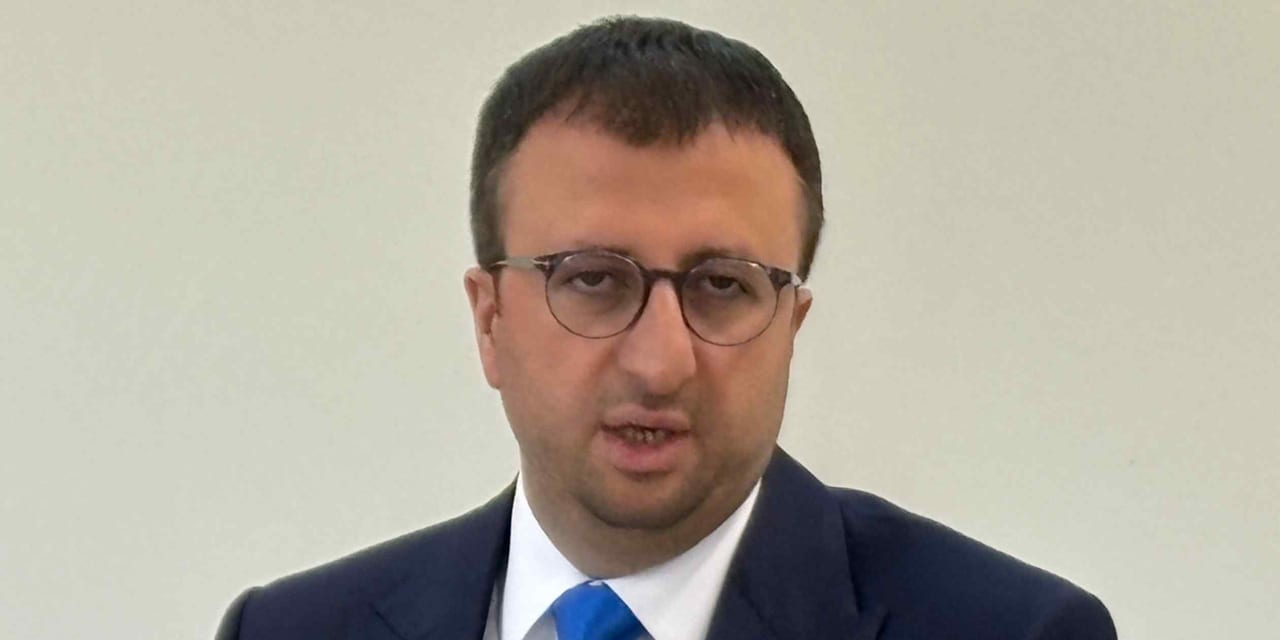
Turkey's largest state-linked defense company, Aselsan, is looking to forge partnerships with Japanese firms on underwater drones and air defense systems as part of its strategy to expand into Asian markets amid a worsening regional security environment. The company's president and CEO, Ahmet Akyol, stated that Turkey and Japan are politically aligned and should explore closer cooperation.
This initiative follows the first Japan-Turkey Defence Industry Cooperation Day, held on May 6, 2026, on the sidelines of the SAHA 2026 defense expo in Istanbul. During the event, Japan's Acquisition, Technology & Logistics Agency (ATLA) and Turkey's Secretariat of Defence Industries (SSB) signed a Letter of Intent to establish a working-level group for deeper collaboration on defense equipment. This marked the first formal defense industry initiative between the two nations, with potential for joint development and production of unmanned aerial vehicles (UAVs).
More than ten Japanese companies, including Terra Drone Corporation, participated in the event. Terra Drone, which is active in Ukraine developing interceptor drone systems, has reportedly held initial talks with Aselsan. Aselsan, meanwhile, unveiled new electronic-warfare and counter-drone systems at the SAHA 2026 expo as part of Turkey's "Steel Dome" integrated air-defense concept.
Turkish Foreign Minister Hakan Fidan has indicated that Turkey's drone industry and Japan's technological base offer strong potential for mutually beneficial collaboration, citing complementary capabilities. Japan's private sector is reportedly in talks with Turkish drone makers regarding potential acquisition, joint development, and production arrangements, while Turkey seeks access to advanced Japanese technologies and components.