Key facts
- MPs recommended reforming the BBC licence fee to cover all services, not just TV.
- The current £180 annual licence fee should be reduced, MPs suggested.
- The BBC's royal charter should be made permanent to prevent political interference.
- The BBC lost £1.2 billion to £1.3 billion in licence fee income over the past decade.
- 40% of the BBC's licence fee shortfall stems from declining numbers of paying households.
- 94% of households use BBC services, but only 80% contribute financially.
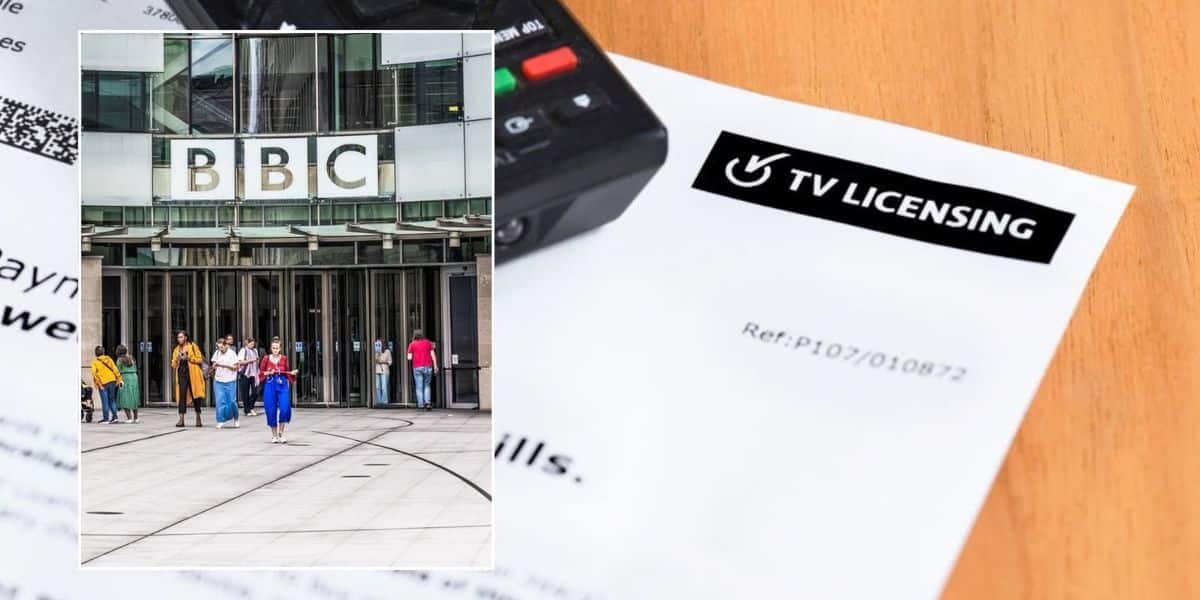
A UK parliamentary committee has recommended a significant overhaul of the BBC's funding model, including reducing the cost of the licence fee and extending its scope beyond television to encompass all of the corporation's services. The Digital, Culture, Media and Sport Committee (DCMS) published its blueprint for the BBC's future ahead of the government finalising proposals for the next royal charter, which will govern the broadcaster from 2028.
The committee described the current licence fee model as "outdated and no longer fit for purpose," arguing that it should be reformed to reflect modern media consumption habits. Decoupling the fee from television ownership and broadening its base would be more acceptable to the public if accompanied by a lower annual charge, the report suggested.
MPs also called for the BBC's royal charter to be made permanent, removing the current 10-year review cycle which they believe creates "an avoidable opportunity for political interference" and damages the perception of the BBC's independence. They recommended abolishing politically motivated appointments to the BBC's board and exploring an independent process for selecting its chair.
According to BBC director-general Matt Brittin, the corporation has lost approximately £1.2 billion to £1.3 billion in licence fee income over the past decade. Around 40% of this shortfall is attributed to a decline in the number of paying households, with 94% of homes reportedly using BBC services but only 80% contributing financially.