Key facts
- New York lawmakers are seeking to change state sexual assault laws to better prosecute cases involving intoxicated victims.
- The push follows an alleged 2024 gang rape at a Cornell University fraternity house.
- Prosecutors initially declined to charge students due to New York's distinction between voluntarily and involuntarily intoxicated victims.
- A bill sponsored by Assemblyman Jeffrey Dinowitz would allow rape charges if a perpetrator should have known a victim was unable to consent due to intoxication.
- The district attorney will present the Cornell case to a grand jury.
- Cornell University will hire an outside firm to investigate the incident.
New York lawmakers are renewing efforts to reform the state's sexual assault laws, aiming to make it easier to prosecute cases where victims are intoxicated. This push is fueled by renewed public outcry over an alleged 2024 gang rape at a Cornell University fraternity house.
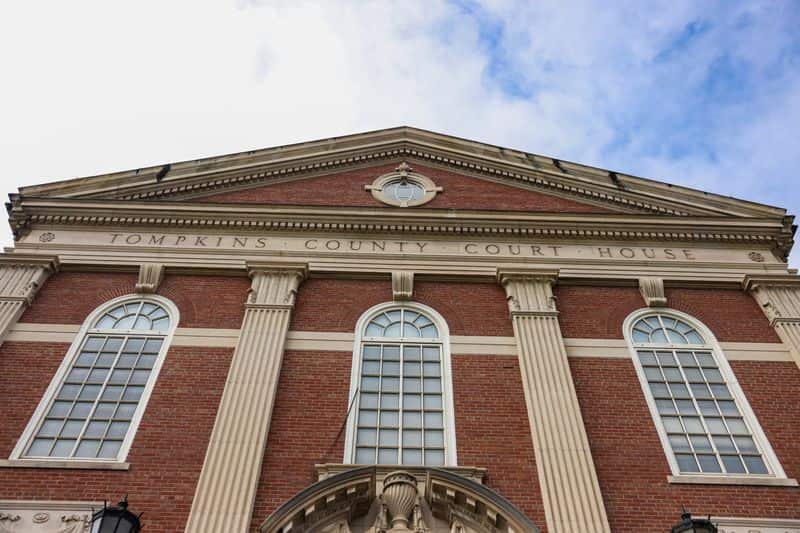
Tompkins County District Attorney Matthew Van Houten stated that his office initially chose not to pursue charges against the accused students, citing limitations in current New York law. The law distinguishes between victims who voluntarily consume intoxicants and those who are given them without consent. Only the latter are considered "mentally incapacitated" and unable to consent under the current statute, making prosecution more challenging when a victim's intoxication was voluntary, even if it impaired their ability to consent.
State Assemblyman Jeffrey Dinowitz, a long-time proponent of such legislative changes, is once again advocating for a bill that would broaden the definition of rape to include situations where a perpetrator should have reasonably known a victim was unable to consent due to intoxication. He argues that the current law unfairly disadvantages victims who were voluntarily intoxicated.
Dinowitz and State Senator Nathalia Fernandez plan to hold a press conference to garner support for their bill. This legislative push comes after the alleged victim filed a civil lawsuit against seven Chi Phi fraternity members, Cornell University, and other defendants. The lawsuit claims fraternity members provided the victim with alcohol and ketamine, leading to her incapacitation and subsequent assault.
Van Houten explained that the victim's initial statement did not meet the legal criteria for charges, as she did not claim involuntary intoxication, physical force, unconsciousness, or explicit non-consent. However, in response to public pressure and the civil suit, he has now decided to present the case, including the victim's testimony, to a grand jury for potential indictment.
According to Elizabeth Jeglic, a sexual abuse expert, 19 states, including New York, only consider mental incapacitation in cases of involuntary intoxication. She argues that incapacitation should be the sole factor, regardless of how it occurred.
The national Chi Phi fraternity stated that the Cornell chapter unanimously expelled the accused members shortly after the police report was filed in 2024, and the national organization followed suit, emphasizing accountability beyond legal or university requirements.
Cornell University has defended its actions, stating it investigated the incident and disciplined the students involved. Governor Kathy Hochul has requested that Cornell hire an outside law firm to conduct a new investigation.