Key facts
- Microsoft's new Surface Pro and Surface Laptop models do not use the "Copilot+ PC" branding.
- The new Surface devices meet the technical requirements for Copilot+ PCs, including 16GB RAM, 256GB storage, and an NPU rated at 40 trillion operations per second (TOPS) or better.
- The Surface Pro 12-inch (2nd Edition) and Surface Laptop 13-inch (2nd Edition) feature Qualcomm Snapdragon X2 Plus processors with a Qualcomm Hexagon NPU rated at 80 TOPS.
- Microsoft is shifting its focus to "AI on the edge" and "hybrid solutions" rather than the "Copilot+ PC" terminology.
- Concerns over the security risks of the Recall feature and a general decline in interest in AI PCs may be reasons for the branding change.
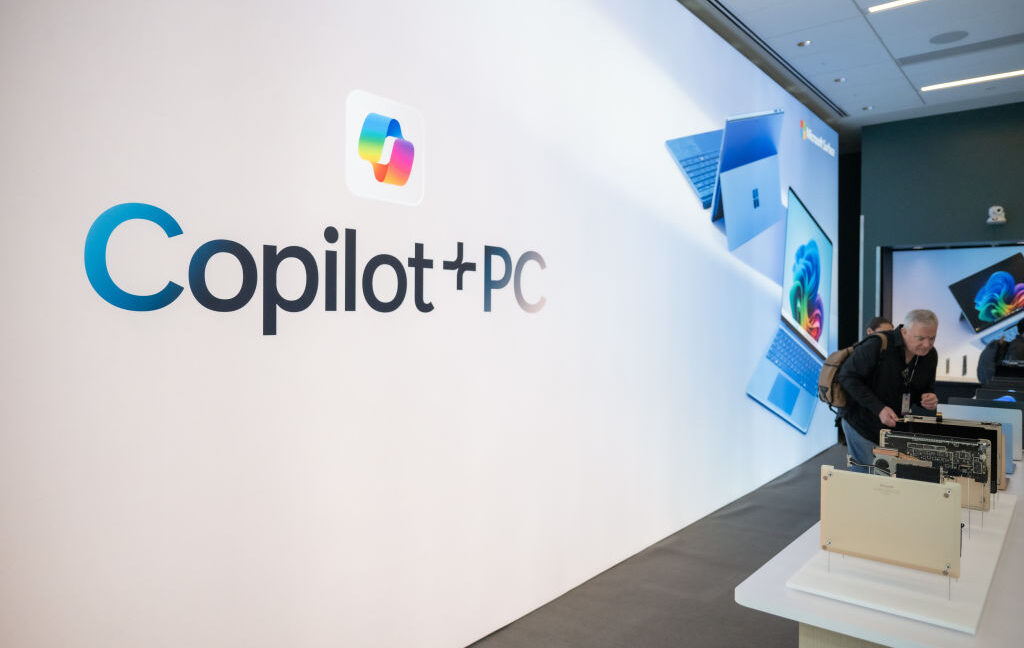
Microsoft has quietly dropped the "Copilot+ PC" branding for its latest Surface laptops, despite the devices meeting the technical specifications previously set for this category. The company is now emphasizing "AI on the edge" and "hybrid solutions" instead of the specific "Copilot+ PC" label.
New Surface Pro and Surface Laptop models, set to be released on October 13, will not be marketed as Copilot+ PCs. However, they fulfill the requirements, which include 16GB of RAM, 256GB of storage, and an NPU capable of at least 40 trillion operations per second (TOPS). The new Surface devices are equipped with Qualcomm Snapdragon X2 Plus processors and a Qualcomm Hexagon NPU rated at 80 TOPS.
Kedar Kondap, SVP of compute at Qualcomm, told Windows Central that the "Copilot+ PC" designation was intended to define a category of devices with a certain performance bar, and that these experiences are still being offered without the specific terminology.
Potential reasons for Microsoft's shift away from the "Copilot+ PC" branding include privacy concerns surrounding the Recall feature, which faced significant backlash, and a broader decline in consumer interest in AI PCs. Industry analysts note that the AI PC market has struggled to gain traction, partly due to the availability of cloud-based AI options and limited use cases for on-device AI. Dell, for instance, has also reduced its emphasis on AI PC marketing.
Furthermore, the upcoming launch of Nvidia's RTX Spark laptop GPUs may also influence marketing priorities, with Microsoft confirming a "Surface Laptop Ultra" will feature these GPUs.