Key facts
- Kyiv's bomb shelter network is inadequate for the city's population amid ongoing Russian attacks.
- Many shelters are classified as 'basic' and offer low protection.
- A significant portion of listed shelters are privately owned and inaccessible to the public.
- Poor conditions, including dampness, lack of ventilation, and sewage leaks, plague many shelters.
- The Kyiv Metro is considered the safest option, but not all residents can reach it.
- District administrations and condominium associations are cited for delays in repairs and maintenance.
Kyiv's bomb shelter network is critically inadequate and in poor condition, failing to protect residents from relentless Russian aerial attacks. On the night of Aug. 1, 2025, Olena Rozhniativska and her 18-year-old daughter Kateryna were among seven people killed in the Darnytskyi district during a ballistic missile strike, highlighting the dire consequences of the city's shelter deficiencies.
Many of Kyiv's 4,385 listed shelters are classified as 'basic,' offering minimal protection, and their combined capacity is estimated to accommodate less than 60% of the city's population. A significant portion, a quarter of the listed facilities, are privately owned and inaccessible to the general public. More robust shelters are scarce, accommodating less than 2% of the population.
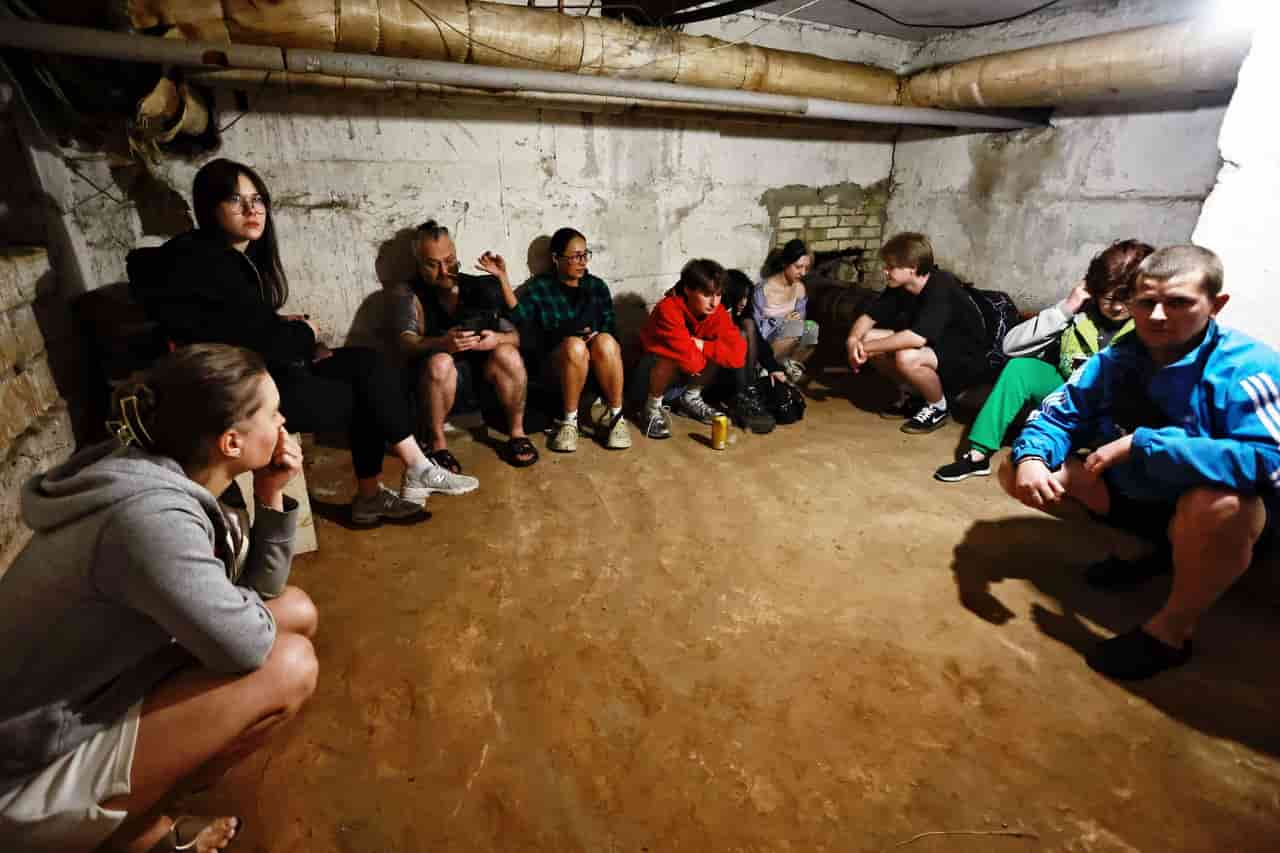
Residents face numerous issues with available shelters, including dampness, blocked ventilation, sewage leaks, and a lack of basic amenities. The Kyiv Metro is often the only trusted refuge, but not all residents can reach stations in time, especially given the two-minute arrival time of ballistic missiles. Even metro stations can become overcrowded during heavy attacks.
Responsibility for shelter construction and repairs is fragmented, involving the Kyiv City Council, district state administrations, and individual building owners. Delays in maintenance and repairs, such as those reported in the Darnytskyi district, exacerbate the problem. Inspectors have also found publicly listed shelters to be locked or unusable, with issues like broken lighting and poor sanitation.