Key facts
- Kuwait Petroleum Corporation's LPG carrier Gas Umm Al Rowaisat navigated the Strait of Hormuz with its AIS transponder off.
- The vessel transferred its cargo to another ship en route to India.
Kuwait Petroleum Corporation's LPG carrier, Gas Umm Al Rowaisat, has navigated the Strait of Hormuz with its AIS transponder switched off, a practice increasingly adopted by Gulf producers. This 'dark mode' shipping complicates tracking of energy flows through the critical chokepoint.
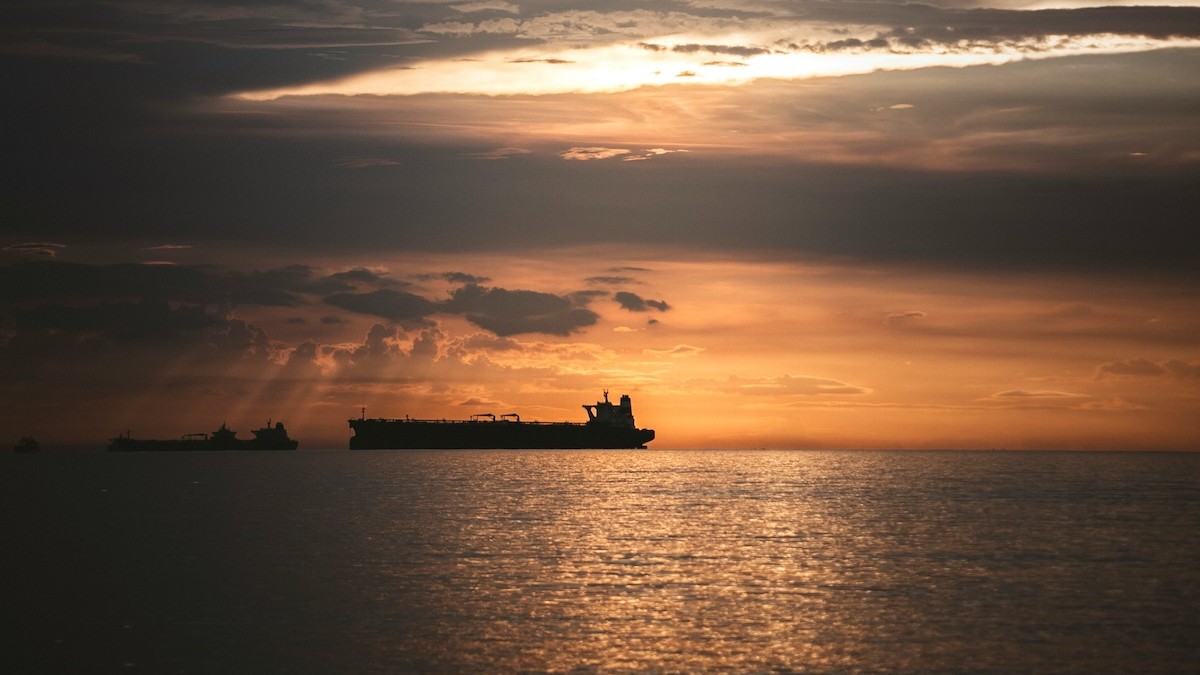
The increasing use of 'dark mode' shipping through the Strait of Hormuz obscures global energy flows, complicates market tracking, and raises concerns about the visibility of actual supply reaching buyers amid a significant reduction in tanker traffic.
Kuwait has reportedly joined a growing number of Middle Eastern energy producers in utilizing 'dark mode' shipping through the Strait of Hormuz, a critical global energy chokepoint. The liquefied petroleum gas (LPG) carrier Gas Umm Al Rowaisat, owned by the national Kuwait Petroleum Corporation, recently transited the strait with its Automatic Identification System (AIS) positioning switched off.
According to vessel-tracking data, the Gas Umm Al Rowaisat loaded LPG in May, subsequently went dark, and reappeared near the Indian coast over the weekend. It then transferred its cargo to another vessel currently heading to an Indian port. This incident follows similar practices by other Gulf producers, including the UAE and Iraq, who have recently increased shipments of oil, LNG, and LPG using tankers that disable their transponders.
Since February 28, tanker traffic through the Strait of Hormuz has reportedly plummeted by 90% to 95% compared to pre-war levels. This has resulted in a market shortage of approximately 13 million barrels per day of crude and fuel supply. While some oil cargoes continue to pass through, the operations have become increasingly opaque, making it difficult to track energy flows and verify the actual supply reaching buyers.
Energy flow-tracking firms note that vessels leaving the region after transiting the Strait of Hormuz are increasingly operating in dark mode. Similarly, vessels entering the Persian Gulf to load cargoes are also adopting these tactics. These 'dark-mode' tactics, once primarily associated with Iran-linked vessels seeking to evade sanctions, have now become the norm for a majority of commercial traffic navigating the Strait of Hormuz.
Pick the topics you care about. Get only what matters, on your cadence.