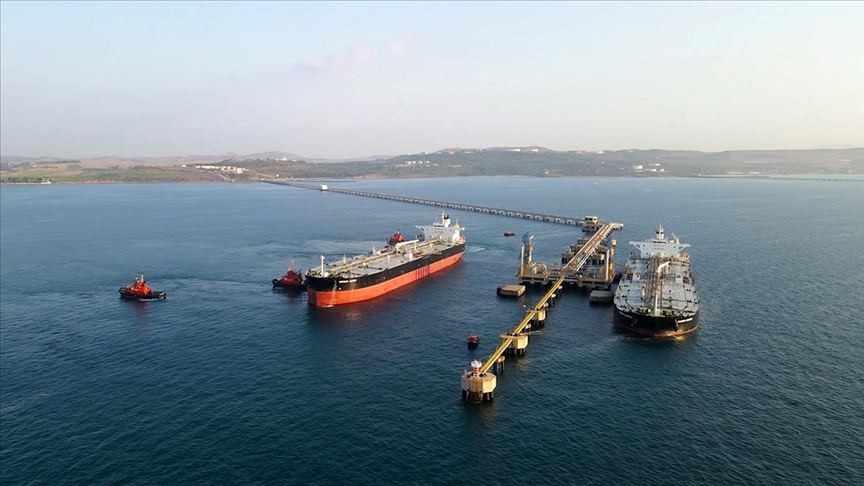
High oil and gasoline prices and energy supply problems are unlikely to be resolved quickly, even with an agreement to end the Iran war and reopen the Strait of Hormuz, according to energy experts. It is anticipated that it will take months for energy companies to resume operations to a level that can meet global demand.
The slow pace of shipping and refining crude oil, coupled with lingering doubts about the security of passage through the strait, means the effects of the resolution will not be immediate. Ships carrying crude oil have been stranded in the Persian Gulf for over three months, unable to safely navigate the waterway, which previously handled approximately one-fifth of the world's oil and gasoline supplies.
Daniel Evans, global head of fuels and refining research at S&P Global Energy, noted that it will take time for confidence to return, for insurance to be secured, and for personnel to restart production assets. He explained that stranded ships must first exit the strait, followed by new tankers being loaded. The process of transporting crude oil from the strait to refineries for processing and then to its final destination is a slow one, taking months.
Furthermore, some Middle Eastern producers had to halt oil extraction, known as a 'shut-in,' due to a lack of storage space. Restarting these operations can be a lengthy procedure. Countries like Saudi Arabia and the United Arab Emirates, which possess alternative pipelines or routes besides the Strait of Hormuz, may be among the first to resume production, according to Alan Gelder, senior vice president of refining, chemicals and oil markets at Wood Mackenzie. However, he suggested that countries like Iraq could face greater challenges, potentially requiring about a year to return to previous production levels.
Gelder also pointed out that investment in the energy system, which typically requires years to yield results, had come to a standstill following the closure of the strait. Daniel Sternoff, senior fellow at the Center on Global Energy Policy at Columbia University, added that countries halting oil production will likely wait for assurance of a stable and lasting ceasefire before restarting operations. The exact meaning of 'open' and the speed of evacuating trapped materials remain uncertain.