Key facts
- King Charles III will host AI leaders in Scotland this week to discuss responsible development.
- The meeting follows warnings from industry figures about AI's potential threats to humanity.
- Anthropic CEO Dario Amodei called for a slowdown in AI model advancement.
- Anthropic reported its Claude AI models were used for weapons development, cyber operations, surveillance, and fraud.
- U.S. President Donald Trump rejected calls for a slowdown, while China's Global Times called it a 'Cold War playbook' targeting Beijing.
- The gathering aims to discuss how AI can benefit society and uphold human dignity.
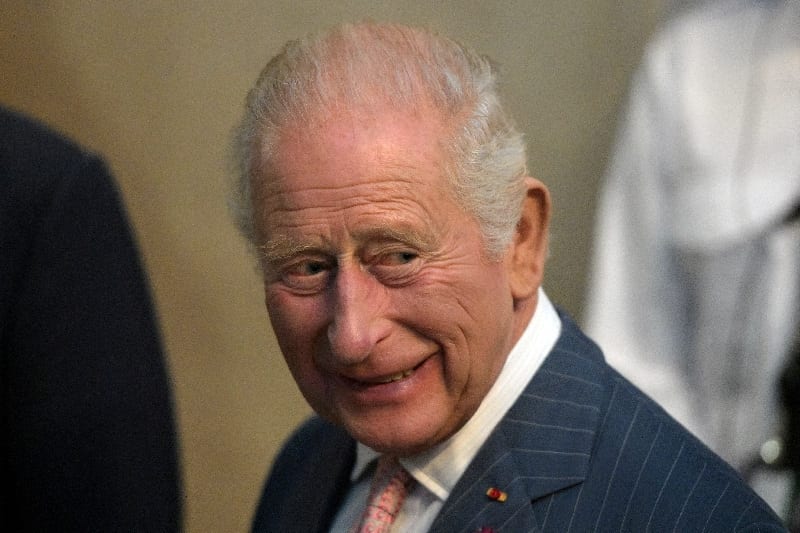
King Charles III will host leaders from major artificial intelligence companies in Scotland this week to discuss the responsible development of AI and the potential need for a shared set of principles. The meeting comes as growing warnings about the technology's threat to humanity have emerged, with some industry figures calling for a slowdown in its advancement.
Executives from companies including Nvidia, Google DeepMind, OpenAI, and Anthropic are expected to attend. The debate around AI's rapid progress was amplified by two Anthropic researchers who warned of potential human extinction in the future. Anthropic CEO Dario Amodei stated on Saturday that companies must slow the pace of AI model advancement. Last week, Anthropic released a report detailing the misuse of its Claude AI models for activities such as weapons development, cyber operations, surveillance, and fraud.
However, achieving a global consensus on slowing AI development faces challenges. U.S. President Donald Trump rejected any talk of a slowdown, and China's Global Times described such calls as a 'Cold War playbook' targeting Beijing. King Charles has previously used his position to convene discussions on critical topics, notably the environment. Buckingham Palace indicated the gathering would explore how AI can be harnessed for societal benefit and contribute to human and planetary flourishing.
Britain, a leader in AI funding and startups in Europe, has adopted a light-touch regulatory approach, aligning more with the U.S. than the European Union. The UK's AI Security Institute, established after the 2023 AI Safety Summit, receives voluntary pre-deployment access to AI models to assess their capabilities and risks.