Key facts
- China rejects calls for AI development 'pacing', fearing it would entrench US technological dominance.
- Beijing advocates for an 'open, inclusive' approach to AI governance, urging parties to drop 'fear-mongering and confrontation.'
- US President Donald Trump stated 'Whoever wins AI wins,' prioritizing US AI development speed.
- Anthropic CEO Dario Amodei's safety essay proposed a three-step pacing plan for AI development.
- The Global Times branded Amodei's plan a 'Cold War playbook' aimed at curbing China's AI progress.
China has rejected international proposals for a coordinated slowdown in artificial intelligence development, viewing such calls as an attempt to entrench the United States' technological lead. Beijing's stance, articulated by state-backed media and officials, frames safety concerns as a pretext for containment.
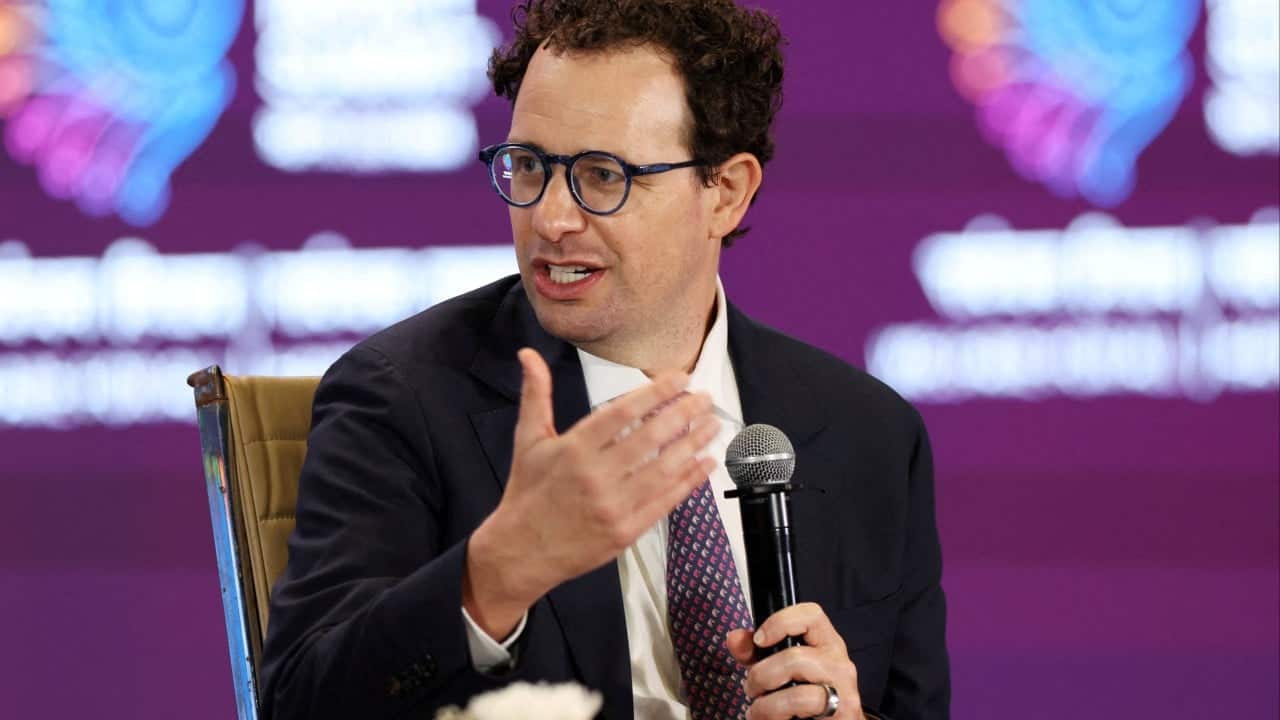
The Global Times, a state-backed publication, labeled Anthropic CEO Dario Amodei's three-step AI pacing plan a 'Cold War playbook' designed to curb China's AI progress through technological barriers and regulatory monopolies. Tsinghua University's Xiao Qian suggested Amodei's position was influenced by commercial pressure from inexpensive Chinese open-source models.
China's Ministry of Foreign Affairs advocated for an 'open, inclusive' approach to AI, urging an end to 'fear-mongering and confrontation.' This contrasts with US President Donald Trump's assertion that 'Whoever wins AI wins,' prioritizing US advancement. The US industry is divided, with OpenAI's Sam Altman supporting third-party lab access and Elon Musk agreeing with Amodei, while NVIDIA, Meta, and Microsoft cautioned against restricting open-weight AI.
The geopolitical clash has market implications, with Anthropic reportedly seeking valuations up to $2 trillion ahead of its IPO. Tighter chip and compute policies are seen as benefiting US closed-model labs, while China's DeepSeek also eyes an IPO, signaling Beijing's intent to continue its AI development trajectory.