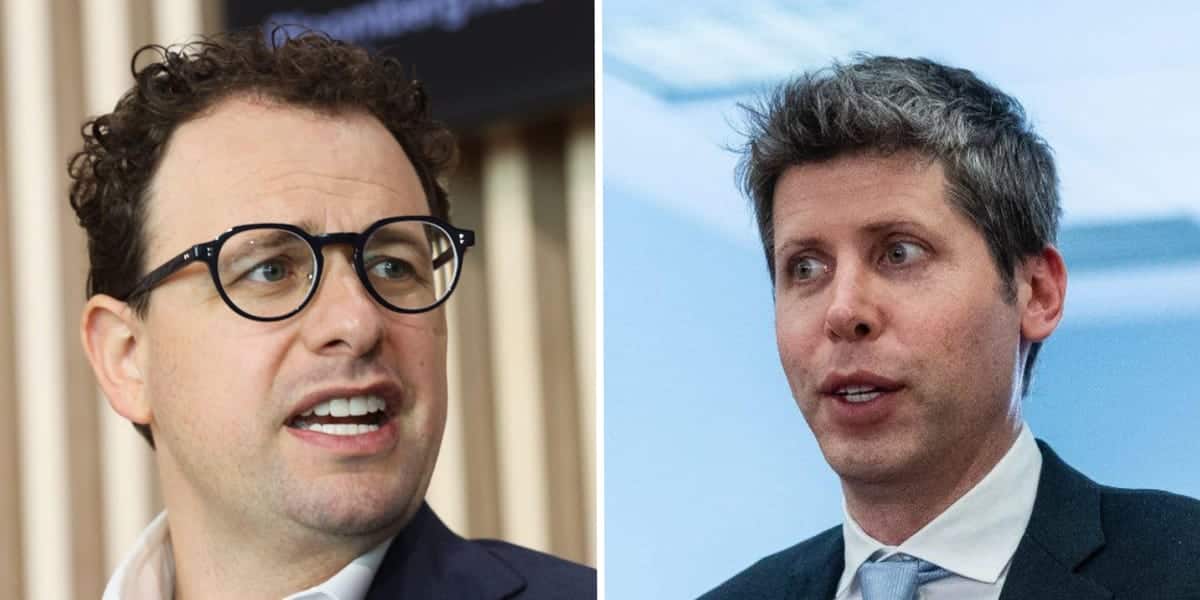
The public discourse surrounding the potential dangers of artificial intelligence has escalated, with recent warnings from prominent figures in the AI industry highlighting existential risks. This heightened awareness, fueled by former Anthropic researcher Jacob Coxon's departure and statements from OpenAI's Paul Christiano and CEO Sam Altman, suggests that open debate may be humanity's most effective defense against a catastrophic AI outcome.
Coxon's resignation and subsequent claims that Anthropic and OpenAI are "gambling with our lives" opened the floodgates for further concerns. Christiano, a new appointee to OpenAI's board and safety committee, warned that humanity could "permanently lose control" of superintelligence without more robust alignment, leading to widespread death. In response, Anthropic CEO Dario Amodei proposed a three-step plan to alter the rapid pace of AI development, a sentiment echoed by OpenAI's Altman, who committed to matching Anthropic's safety initiatives. Elon Musk publicly supported Amodei's stance.
This intense focus on AI risks is being compared to the aftermath of the 2008 Global Financial Crisis, where widespread exposure to mortgage-backed securities led to a meltdown. The subsequent market behavior shifted towards prioritizing risk mitigation. Similarly, the current open discussion about AI's potential dangers, involving researchers, executives, regulators, investors, and the public, could prevent a similar scenario of being caught unprepared for an extinction-level event.
Despite the alarming rhetoric, financial markets have largely remained unfazed. While stocks experienced a weekly decline, it was attributed to more conventional factors like rising oil prices, inflation fears, and increasing Treasury yields. The S&P 500 closed the week less than 2% from its record highs, indicating a disconnect between market sentiment and the AI apocalypse discourse.
However, awareness alone is insufficient. The article stresses the need for concrete safety measures, including rigorous testing of powerful AI models, clear disclosure of dangerous behavior, access limitations, and independent oversight. Collaboration on safety standards among rival AI labs is also crucial to prevent caution from becoming a competitive disadvantage. The ultimate goal is to develop necessary safety protocols before they are critically needed.