Key facts
- Japan's Foreign Ministry said the deal is the first transfer of finished Japanese-made defense equipment through its Official Security Assistance program.
- The ministry said the equipment is meant to strengthen maritime security and surveillance in a country near key sea lanes.
- Japan lifted a ban on lethal weapons exports earlier in 2026 and has agreed with the Philippines to begin talks on providing used destroyers.
- The Official Security Assistance program was established in 2023 as a military counterpart to Japan's development assistance program.
Japan agreed on November 9 to provide a coastal surveillance radar system to the Philippine Navy and surveillance and reconnaissance drones to the Philippine Air Force, aiming to strengthen the country's ability to monitor surrounding waters.
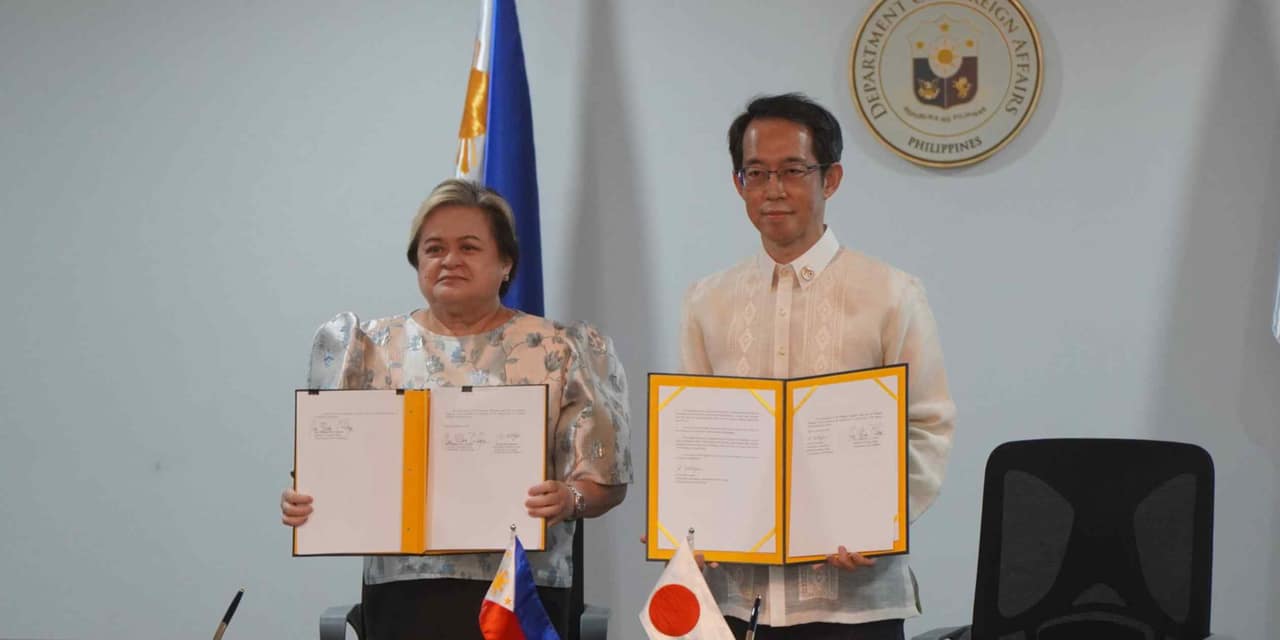
Japanese Ambassador to the Philippines Katsuro Kitagawa and Philippine Foreign Secretary Theresa Lazaro signed the 4.3 billion yen ($27 million) deal at a ceremony in Manila, Japan's Foreign Ministry said in a statement. The ministry said the equipment is intended to strengthen maritime security and surveillance in a country that sits near key sea lanes.
The ministry said the deal marks the first transfer of finished Japanese-made defense equipment through Japan's Official Security Assistance program, established in 2023 as a military counterpart to its official development assistance program. The Associated Press reported that the program aims to help developing nations address challenges posed by China's growing influence.
Japan has been accelerating its military and arms industry buildup. It lifted a ban on lethal weapons exports earlier in 2026 and has agreed with the Philippines to begin talks on a deal that would allow Tokyo to provide used destroyers to Manila's navy, the AP reported.
Separately on November 9, Japanese Prime Minister Sanae Takaichi and Vietnamese President To Lam held talks in Tokyo and pledged to deepen cooperation in defense, energy and economic security. At a news conference, Takaichi said Japan would accelerate its planned security assistance to Vietnam to support the country's role in international peacekeeping, the AP reported. The two leaders agreed to maintain and strengthen a rules-based, "free and open" Indo-Pacific, and signed cooperation agreements covering nuclear energy, gas-fired power generation, semiconductors and artificial intelligence, Takaichi said.