Key facts
- Nepal is receiving disaster relief from both India and China following severe floods in late August.
- India's initial aid included 10 metric tons of emergency supplies.
- China's relief package was larger, totaling 50 tons of supplies.
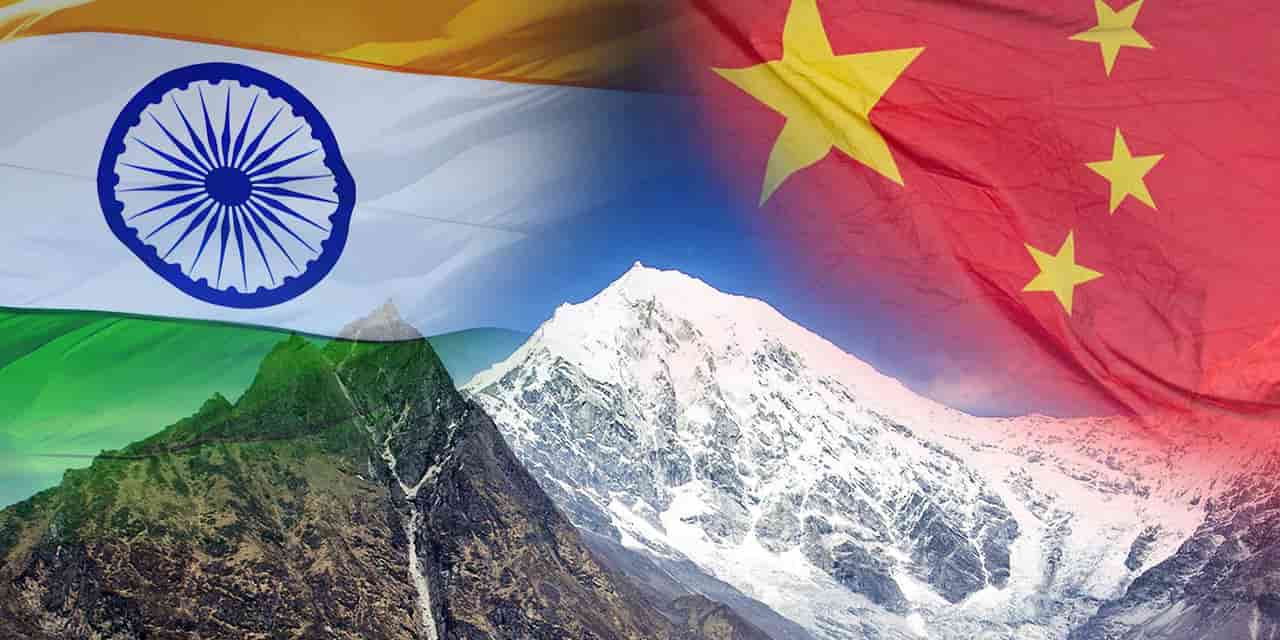
- The disaster response has become a point of competition for influence between India and China in Nepal.
- Nepal initially refused foreign search-and-rescue teams but later accepted material aid and technical support.
- The floods were caused by a glacial collapse and landslide on the Nepali side of the border.
Nepal is navigating a delicate geopolitical balance as it receives disaster relief from its two giant neighbors, India and China, following devastating floods in late August. The aid efforts have become a new arena for competition between the two Asian powers seeking to bolster their influence in the Himalayan nation.
India was quick to respond, sending 10 metric tons of emergency relief, including shelters, solar lamps, and medicine, within hours of the disaster. Four days later, China delivered a significantly larger consignment of 50 tons of tents, sleeping bags, and first-aid kits. Both nations have historically vied for influence in Nepal, and their disaster responses are seen as attempts to enhance their regional standing.
The floods, caused by a glacial collapse and landslide on the Nepali side of the border, have resulted in over 1,000 deaths and thousands missing. Initially, Nepal's government declined offers of foreign search-and-rescue teams from various countries, including India and China, citing coordination and management issues experienced during the 2015 earthquake. However, Nepal eventually accepted material aid and specialized technical support, such as tunnel rescuers and DNA analysis equipment, while insisting on retaining control over the operations. This approach allows Kathmandu to manage the flow of assistance and avoid overlapping command structures.
Prime Minister Balendra Shah's administration has been attempting to maintain a nonaligned stance, balancing relations with both Beijing and New Delhi. This approach includes accommodating Chinese sensitivities, such as blocking a conference on Tibet following Chinese pressure. The competition for influence in Nepal is expected to intensify as climate change exacerbates environmental challenges in the region.