Key facts
- The Democratic Republic of Congo is experiencing a serious Ebola outbreak, primarily in Ituri Province.
- The outbreak is caused by the rare Bundibugyo strain of Ebola, for which there is no licensed vaccine or approved treatment.
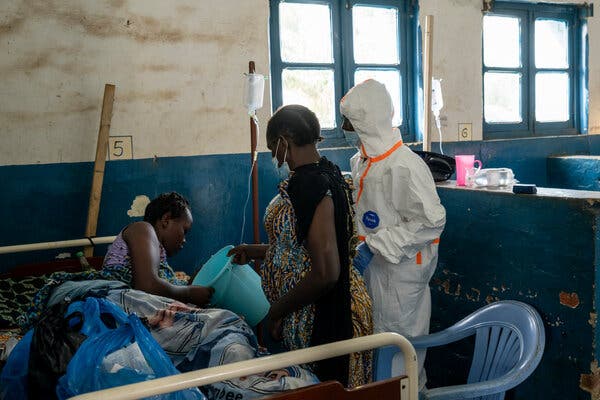
- Mongbwalu Hospital, the main healthcare facility in Mongbwalu, is struggling to cope with the influx of patients.
- Delays in testing suspected cases increase the risk of transmission within healthcare facilities.
- As of late May, the DRC had recorded 906 suspected cases and 223 suspected deaths from the outbreak.
The Democratic Republic of Congo is grappling with a severe Ebola outbreak, particularly in Ituri Province, where the Bundibugyo strain of the virus has led to a high mortality rate and overwhelmed the healthcare system. Mongbwalu Hospital, the main facility in the mining town of Mongbwalu, is facing significant challenges, with limited isolation infrastructure and overstretched staff. Families often provide food and water for relatives due to resource shortages. Delays in testing suspected cases exacerbate the risk of transmission within the hospital, housing confirmed and suspected patients together while awaiting results. Health workers express frustration over the slow international response.
As of late May, the World Health Organization reported 906 suspected cases and 223 suspected deaths in the DRC. Combined, the DRC and Uganda had 134 laboratory-confirmed cases and 18 confirmed deaths. Ituri Province accounts for 88 percent of all confirmed infections. The virus is transmitted through direct contact with bodily fluids of infected individuals or animals, and contaminated materials, including during burial ceremonies. Symptoms typically include fever, severe weakness, headaches, and bleeding. While there is no approved treatment for the Bundibugyo strain, early detection and supportive care can improve survival rates. The outbreak highlights the fragility of Congo's healthcare system, weakened by armed conflict, underinvestment, and humanitarian crises.