Key facts
- Iceland's government will submit a bill in February that could ban commercial whaling.
- If banned, Iceland, Norway and Japan would be the only countries conducting commercial whaling.
- Iceland's current whaling quota allows for 150 fin whales to be killed this year.
- As of September 9, 80 fin whales had been caught in Iceland's current hunting season.
- Fin whales are classified as vulnerable by the International Union for Conservation of Nature.
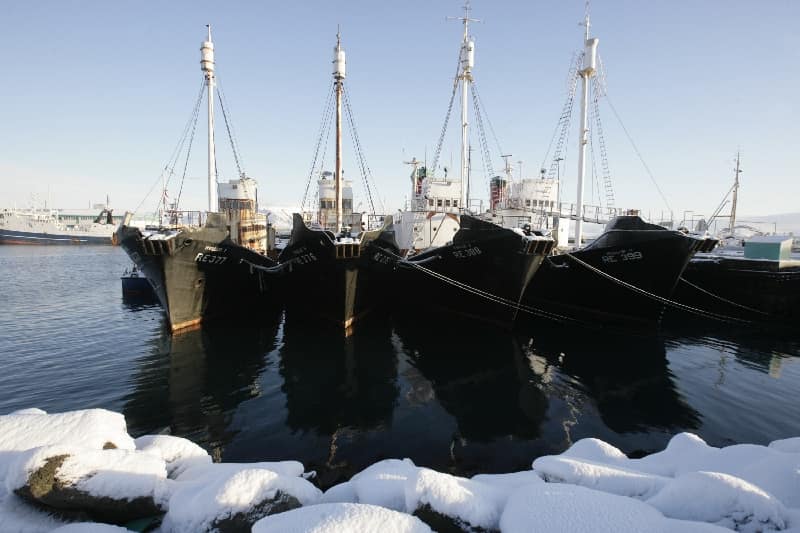
Iceland's government is preparing to submit a bill in February that could lead to a ban on commercial whaling, a move that would leave Norway and Japan as the only nations continuing the practice. The potential ban follows years of protests from animal welfare campaigners and public pressure.
The government stated on its website that it is considering various options to update its whaling laws, with a permanent ban being a significant possibility. This legislative action comes as the current hunting season, which runs until the end of September, has seen 80 fin whales caught out of a quota of 150, according to the animal welfare group Humane World for Animals.
Fin whales, the primary target of Iceland's whaling industry, are classified as vulnerable by the International Union for Conservation of Nature. In 2024, Iceland's interim government granted a five-year license to its sole remaining whaling company.
Commercial whaling has been a contentious issue, with an international moratorium in place since 1986. While Japan withdrew from the International Whaling Commission in 2019 to resume whaling in its own waters, Norway and Iceland resumed the practice in 1993 and 2006, respectively, despite the moratorium. The moratorium does permit whaling by indigenous communities in certain regions for cultural and nutritional purposes.