Key facts
- Former Kosovo President Hashim Thaci will hear a war crimes tribunal verdict Wednesday.
- Prosecutors seek 45-year sentences for Thaci and three other former Kosovo Liberation Army commanders.
- Thaci and the other commanders deny all charges.
- The charges relate to alleged persecution, murder, torture, and forced disappearances during and after the 1998-99 uprising.
- Prosecutors allege over 100 political opponents and collaborators with Serbian forces were killed.
- The Kosovo Specialist Chambers, staffed by international judges, handles war crime cases against ex-KLA guerrillas.
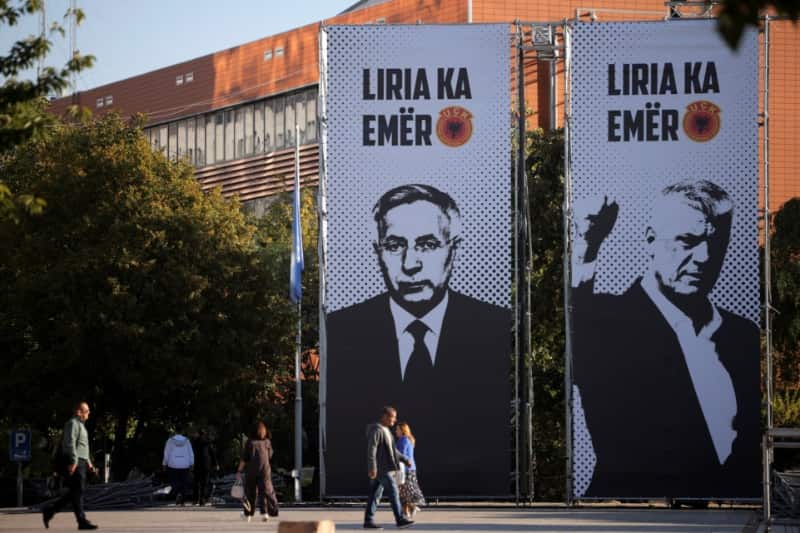
A war crimes tribunal is scheduled to announce its verdict on Wednesday in the trial of former Kosovo President Hashim Thaci and three other top commanders of the ethnic Albanian Kosovo Liberation Army (KLA). Prosecutors are seeking 45-year prison sentences for the men, who deny all charges stemming from the 1990s conflict over Kosovo's independence from Serbia.
The trial, held at the Kosovo Specialist Chambers staffed by international judges, highlights the lingering raw memories and entrenched views surrounding the Balkan wars of the 1990s. Prosecutors allege that Thaci and the other commanders were responsible for the persecution, murder, torture, and forced disappearances of both Kosovo Albanians and Serbs during and shortly after the 1998-99 uprising. They claim over 100 political opponents and perceived collaborators with Serbian forces were killed in a violent power grab by the KLA.
Thaci's lawyers have argued the accusations are unfounded and an attempt to rewrite history, asserting there is no evidence directly linking him to the alleged crimes or proving he controlled other KLA commanders. The tribunal, established under international pressure in 2015, is unpopular in Kosovo, partly due to witnesses testifying behind closed doors to mitigate intimidation risks.
Analysts suggest the verdict could significantly impact Kosovo's relations with the West, particularly the United States, and potentially create new tensions with Serbia, which does not recognize Kosovo's independence. Agon Maliqi, a nonresident senior fellow with the Atlantic Council, described the verdict as a 'tectonic event' that could shift Kosovo's political balance and its alignment with the West, depending on whether Thaci is acquitted or found guilty. He also noted the potential for heightened ethnic tensions within Kosovo and strained relations with Serbia.