Key facts
- World Food Programme funding for Sudan has fallen by approximately 50% this year.
- The WFP received $645 million in funding last year and $206 million so far this year.
- Nearly $300 million is needed to sustain current WFP operations in Sudan.
- The war in Sudan has displaced up to 14 million people.
- Nearly 20 million people face hunger in Sudan.
- The International Organization for Migration warns that emergency relief supplies could run out within weeks without urgent funding.
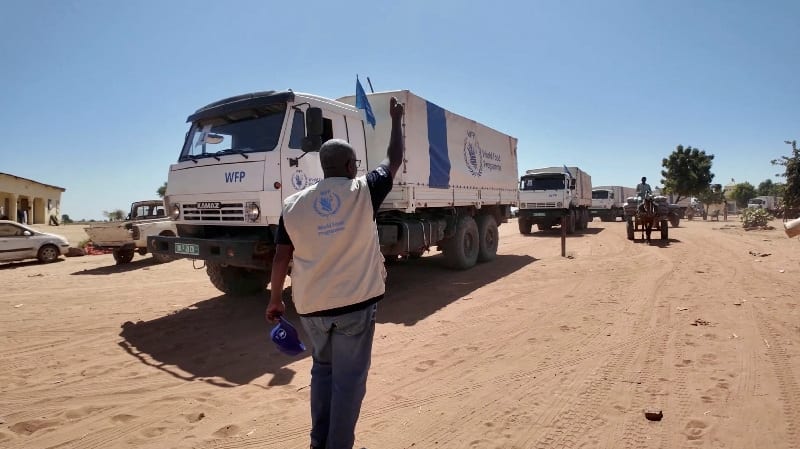
The World Food Programme's funding for Sudan has been cut by approximately half this year, according to its acting head, Carl Skau, exacerbating the world's largest hunger crisis. The ongoing war between Sudan's army and the paramilitary Rapid Support Forces has devastated the country, displacing up to 14 million people, ruining harvests, and decimating the economy.
Skau stated that while humanitarian access was previously the main obstacle, the WFP now has a presence that cannot be fully utilized due to a lack of funding. The gap to sustain current operations stands at nearly $300 million. Last year, the WFP received $645 million, but this year, with nearly three-quarters of the year passed, funding has only reached $206 million.
Nearly 20 million people in Sudan face hunger, but budget cuts have forced the WFP to prioritize the 5 million most in need, recently scaling up to reach 4 million. Even with this focus, the organization is making difficult decisions, such as providing only half rations in some areas, which cover only two weeks of food. In El Obeid, a city that has seen over a million refugees, the WFP can only assist those who arrived in recent months, providing less aid than a year ago.
The WFP is not alone in its struggles; other aid organizations are also facing funding shortfalls. The International Organization for Migration (IOM) warned that emergency relief supplies for hundreds of thousands of displaced people could run out within weeks without urgent donor intervention. The IOM requires $15 million to maintain its aid pipeline for the remainder of the year, supporting approximately 305,000 people. The agency noted that without this funding, over 100 humanitarian organizations would face difficulties in delivering life-saving aid.
Aid groups attribute these funding cuts partly to the Trump administration's reduction of billions of dollars in foreign assistance to UN agencies and charities, alongside similar cuts from other major donor countries citing tight finances and increased defense spending.