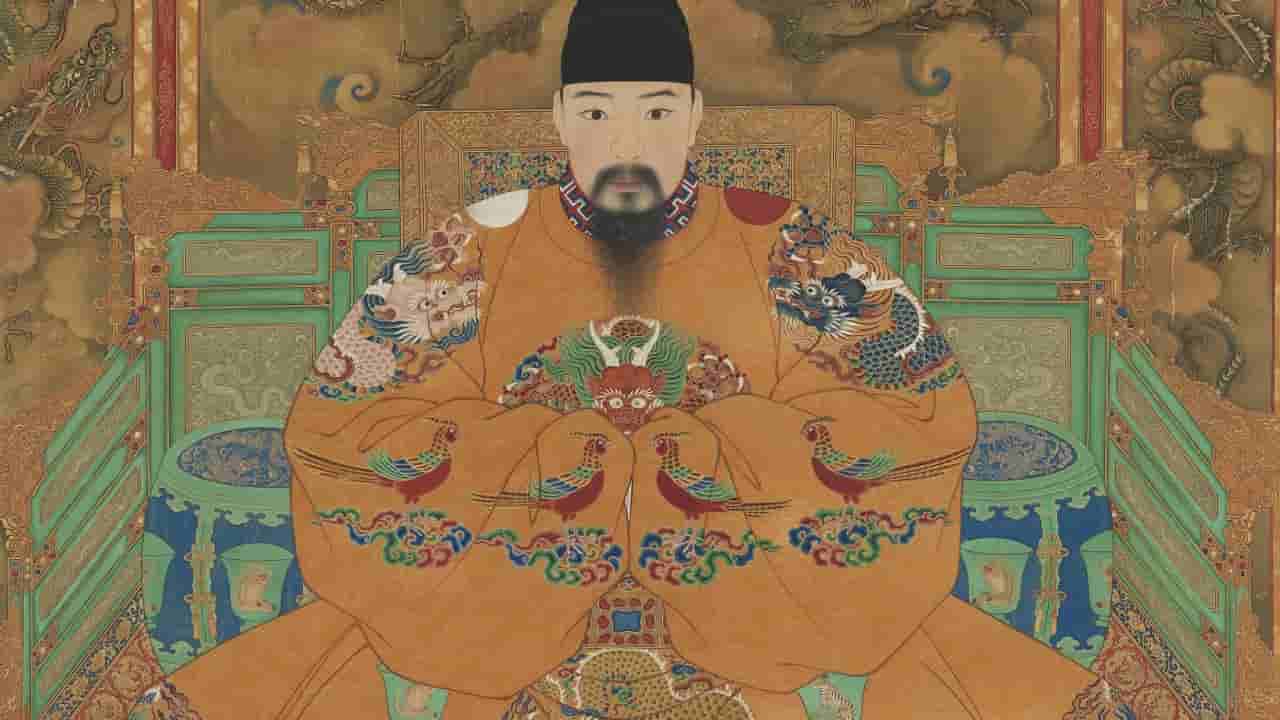
Key facts
- Hongzhi Emperor, who reigned from 1487 to 1505, is the only known monogamous emperor in Chinese history.
- He married Lady Zhang in 1487 and remained devoted to her, refusing to take concubines.
- His reign was marked by administrative reforms, reduction of eunuch power, and encouragement of criticism from ministers.
- Hongzhi implemented economic reforms, including tax reductions and currency production.
- His early life was characterized by secrecy and danger due to his mother's precarious position in the imperial harem.
- Hongzhi died in 1505, succeeded by his son, the Zhengde Emperor.
The Hongzhi Emperor, born Zhu Youcheng in 1470, stands out in Chinese history as the only ruler to practice complete monogamy. His early life was marked by danger and secrecy, as his existence had to be hidden from Consort Wan, a favorite of his father, the Chenghua Emperor, who was eliminating potential heirs. He was hidden by loyal palace staff and a former empress for six years.
Upon learning of his son's survival, the Chenghua Emperor brought Zhu Youcheng to the palace and named him heir apparent. However, his mother died under suspicious circumstances shortly after. When Zhu Youcheng ascended the throne in 1487 at age 17, adopting the era name Hongzhi, meaning "great governance," he implemented significant reforms.
Hongzhi worked closely with capable Confucian officials, demoted corrupt eunuchs, and appointed trustworthy ones to key positions. He actively encouraged open criticism from ministers, leading to an early reign described as a near-golden age. Economically, he reduced taxes, cut unnecessary spending, and resumed coin production. He also successfully regulated the Yellow River.
His commitment to monogamy began with his marriage to Lady Zhang in 1487, whom he named empress. He never took any concubines throughout his reign and was deeply devoted to his wife, spending much time with her discussing state affairs. Despite repeated pressure from officials to take more women to ensure the succession, he consistently refused. Historians suggest his aversion to polygamy stemmed from witnessing the jealousy and violence within his father's harem.
Hongzhi's reign was largely peaceful, with few major military campaigns. He followed Confucian teachings and listened to his ministers, earning high praise from later scholars. The History of Ming lists him among the most commendable Ming emperors. He died in 1505 at age 34 after a brief illness, and was succeeded by his 13-year-old son, the Zhengde Emperor.