Key facts
- A study commissioned by King Willem-Alexander found the Dutch royal house was wholeheartedly involved in colonial exploitation.
- Researchers concluded the House of Orange-Nassau shared responsibility for the survival of the Dutch slave trade and slavery.
- The royal family profited substantially from the colonial system, especially from trade in modern-day Indonesia.
- Profits accumulated to around $650 million in modern terms in the 19th century, according to researchers.
- The Dutch West India Company trafficked an estimated 600,000 people into slavery.
- King Willem-Alexander apologized for slavery in 2023.
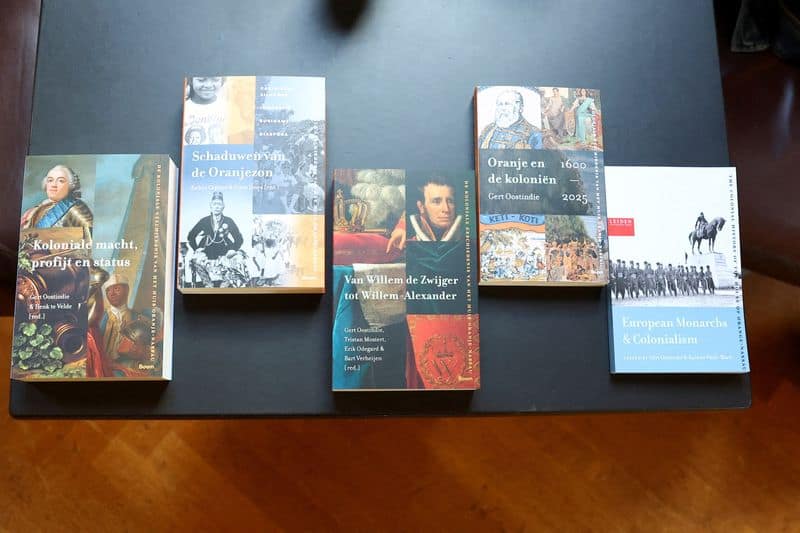
A comprehensive historical study commissioned by King Willem-Alexander has concluded that the Dutch royal house was deeply and wholeheartedly involved in the Netherlands' colonial exploitation and slave trade over several centuries. The research, conducted over three years by Dutch historians and human rights experts, found that the House of Orange-Nassau shared responsibility for the survival of slavery and showed no significant objections to it.
The study highlighted that the royal family, which has ruled the Netherlands since the late 16th century, profited substantially from the colonial system, particularly from trade in the Dutch East Indies (modern-day Indonesia). Researchers estimated that in the 19th century alone, profits accumulated to around $650 million in today's terms, though the family earned "almost nothing" directly from the slave trade itself.
King Willem-Alexander acknowledged the lasting impact of colonialism and slavery, stating that their effects are still felt today through discrimination and economic exploitation. He delivered an apology for slavery in 2023. The Dutch government had previously acknowledged state responsibility for transatlantic slavery and apologized in 2022, but rejected calls for reparations, instead establishing a €200 million fund for social initiatives, which anti-racism campaigners have deemed insufficient.
The National Institute for the Dutch Slavery Past and Heritage (NiNsee) praised the king for commissioning the study, urging it to lead to further dialogue, corrections to national history, and conversations about responsibility and reparatory justice.