Key facts
- A new project is using 3D-printed terracotta tiles to restore coral reefs in Hong Kong.
- The Coral REEFStoration project is a collaboration between Sino Group, Hong Kong Innovation Foundation, Ocean Park Corporation, and archiREEF Limited.
- The project aims to rebuild 20 square meters of artificial reefs seeded with over 120 rescued coral fragments.
- Coral fragments will be nurtured at Ocean Park's coral nursery before being transplanted to Deep Water Bay.
- Past coral restoration efforts in Hong Kong failed due to unstable cement structures lacking roots.
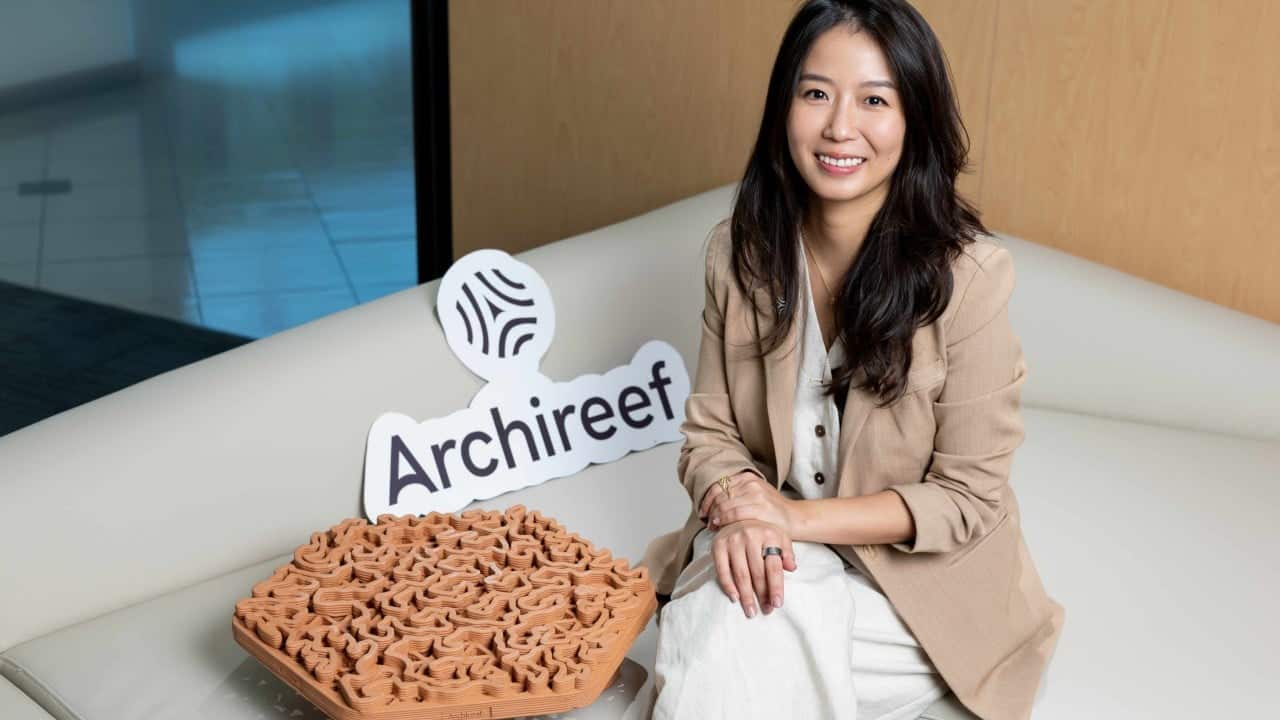
Hong Kong's first cross-sector collaborative project for local coral preservation and restoration, named Coral REEFStoration, has been launched. The initiative is a joint effort by the Sino Group, the Hong Kong Innovation Foundation, Ocean Park Corporation, and archiREEF Limited. It aims to rehabilitate coral reef habitats in Hong Kong’s southern waters by using the world's first 3D-printed reef tiles made of terracotta.
Coral reefs, which occupy about 1% of the ocean floor, face significant threats from climate change, marine pollution, habitat damage, and overfishing, leading to reduced marine biodiversity and ecological imbalance. Rising sea temperatures have also caused widespread coral bleaching.
The project will involve ecological research at Deep Water Bay to analyze past and current coral habitat conditions, aiming to reconstruct the original appearance of reefs and restore local coral species. The 3D-printed terracotta tiles are designed to allow coral fragments to attach securely, increasing their chances of survival. A professional husbandry team at Ocean Park's coral nursery will nurture these fragments before they are transferred to the seabed of Deep Water Bay for continued monitoring.
Previously, a University of Hong Kong research team in 2014 experienced a collapse of two years of reef restoration work in Sai Kung. Their cement structures, while allowing initial coral growth, became unstable as colonies grew larger because they lacked roots, according to Vriko Yu Pik-fan, who was a doctoral student on the project at the time.