Key facts
- Chinese scientists discovered 11,742 new viral sequences in the Pacific Ocean's Clarion-Clipperton Zone.
- 99% of the identified viruses are new to science.
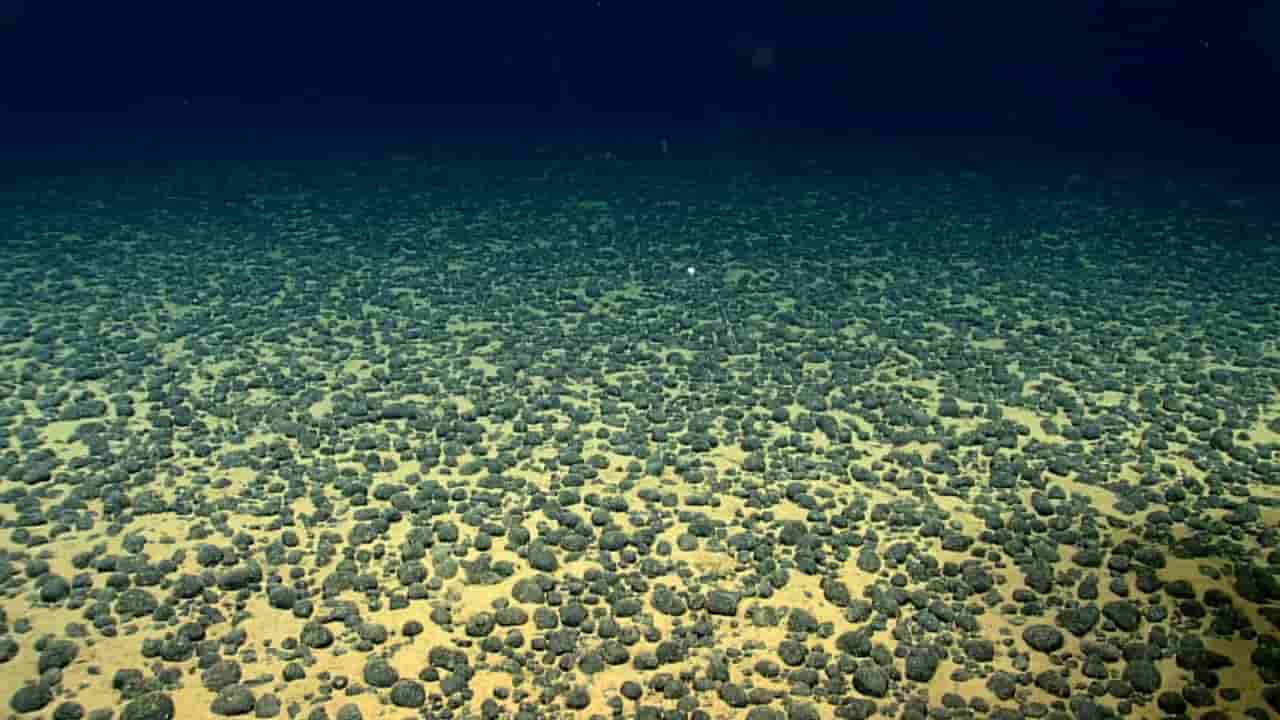
- The Clarion-Clipperton Zone is the world's largest accumulation of polymetallic nodules.
- These nodules contain metals like nickel, cobalt, and manganese, crucial for electronics.
- The International Seabed Authority has issued 31 deep-sea mineral mining exploration contracts, with 17 in the Clarion-Clipperton Zone.
- The study was funded by Chinese scientific agencies and published in Nature Communications.
Researchers from China have identified a vast array of previously unknown viruses in the Clarion-Clipperton Zone, a deep-sea region in the Pacific Ocean known for its significant polymetallic nodule deposits. The study, published in Nature Communications, revealed 11,742 distinct viral sequences, with 99% being new to science. These viruses were found in sediment samples collected at depths between 5,169 and 5,285 meters.
The Clarion-Clipperton Zone, located between Mexico and Hawaii, is home to billions of polymetallic nodules. These nodules are rich in metals such as nickel, cobalt, manganese, lithium, and zinc, which are vital for electronics and batteries. Estimates suggest the reserves in this zone could exceed known land-based reserves. The International Seabed Authority has granted 31 exploration contracts for deep-sea mining, with 17 of these located within the Clarion-Clipperton Zone. China holds five of these contracts.
The research team, led by Bowen Hou and Lilan Zhang of Chongqing University and Dong Sung of China's Second Institute of Oceanography, investigated the 'virome' of the region. Their goal was to establish a baseline of the microbial ecosystem before potential mining activities commence, which could impact the unique deep-sea habitat. The study utilized DNA metagenomics to analyze sediment core samples collected in 2023 and 2024. The findings suggest that these viruses may play a significant role in biogeochemical processes within the sediment, potentially influencing metal cycling and host metabolism.