Key facts
- Sibanye-Stillwater expects to spend around $340 million to restart Mt Lyell.
- Mt Lyell is planned to ramp up to 26,000 tons of annual production after its 2029 restart.
- Global copper demand is projected to rise 50% to 42 million tons a year by 2040.
- Luanshya mine has a target production of 100,000 tons per year by 2030.
- Glencore's Alumbrera mine aims to produce 75,000 tons of copper over four years.
- The undeveloped Agua Rica pit has the potential to produce more than 200,000 tons of copper per year.
Record copper prices and expectations for a structural shortage are prompting the revival of idled mines globally. Consultancy Benchmark Mineral Intelligence is tracking almost a million tons of potential annual copper production from mine restarts by 2030, equivalent to over 4% of current output.
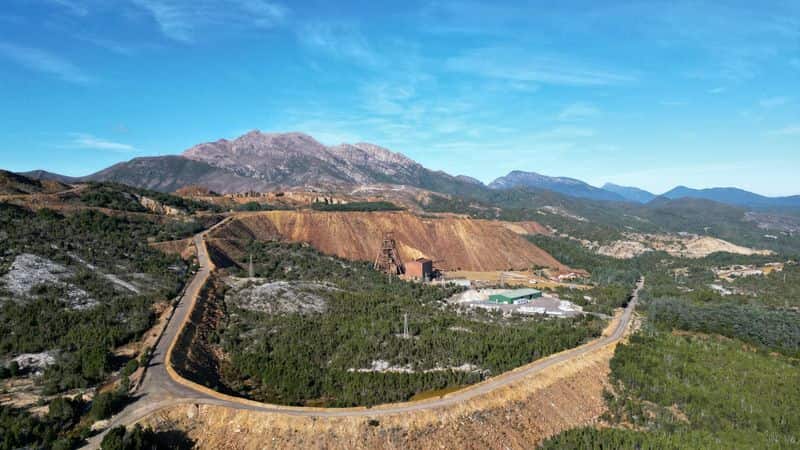
Sibanye-Stillwater approved a restart of the Mt Lyell mine in Tasmania, which produced 9,500 metric tons of copper in 1899. The company expects to spend around $340 million to restart it, with plans to ramp up to 26,000 tons of annual production after it comes back online in 2029. The mine was shuttered in 2014 after three workers were killed in two accidents.
In Zambia, partial production has restarted in the Luanshya mine, majority owned by China Nonferrous Mining Corp (CNMC), with a target of 100,000 tons per year by 2030. Glencore plans to revive its Alumbrera mine in Argentina, shuttered since 2018, in the second half of 2027, to produce 75,000 tons of copper over four years, supporting the undeveloped Agua Rica pit nearby.
Potential hurdles include flooding, outdated infrastructure, stricter environmental rules, and political considerations. Wood Mackenzie notes that revived mines average around 33,000 tons a year, less than extensions at existing mines.