Key facts
- Coal prices have risen approximately 40% since the start of 2026.
- High natural gas prices are driving record demand for coal.
- Uncertainty over exports from Indonesia and Australia is impacting coal prices.
- Coal futures are trading around $150 per ton, near a three-year high.
- Asian and European buyers are increasing coal imports due to its lower cost compared to LNG.
- Indonesia has tightened export restrictions, leading to a 23% drop in shipments in August.
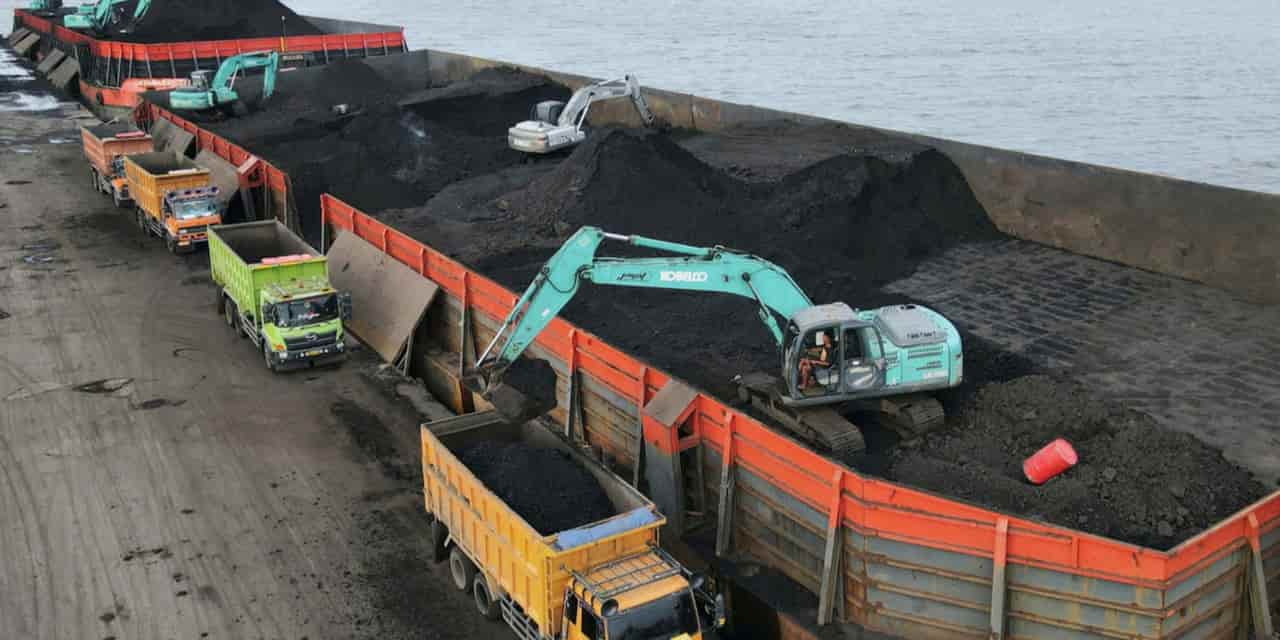
The price of coal for power generation has surged approximately 40% since the beginning of 2026, fueled by robust demand as elevated natural gas prices encourage a shift toward coal-fired power plants. This trend is occurring despite global efforts to transition to cleaner energy sources and the closure of numerous coal-fired power plants in Europe and North America.
Coal futures are currently trading around $150 per ton, hovering near a three-year high. The significant price difference, with coal costing roughly 80% less than liquefied natural gas (LNG), has prompted buyers in Asia and Europe to increase their imports in anticipation of the winter season. The International Energy Agency (IEA) projected in September that global coal demand would reach a record high this year.
Supply-side factors are also contributing to the price increase. Indonesia, the world's largest coal exporter, has implemented tighter export controls and domestic supply obligations, leading to a 23% decrease in its coal shipments in August. The IEA anticipates a decline of over 12 million tons in Indonesian coal production this year, citing lower production quotas and policy uncertainty. Australia, another major coal exporter, is also facing export uncertainties.