Key facts
- Brent crude traded at $105.02 per barrel, up 4.81% from Wednesday's close.
- West Texas Intermediate was trading at $92.69 per barrel, up 5% from Wednesday.
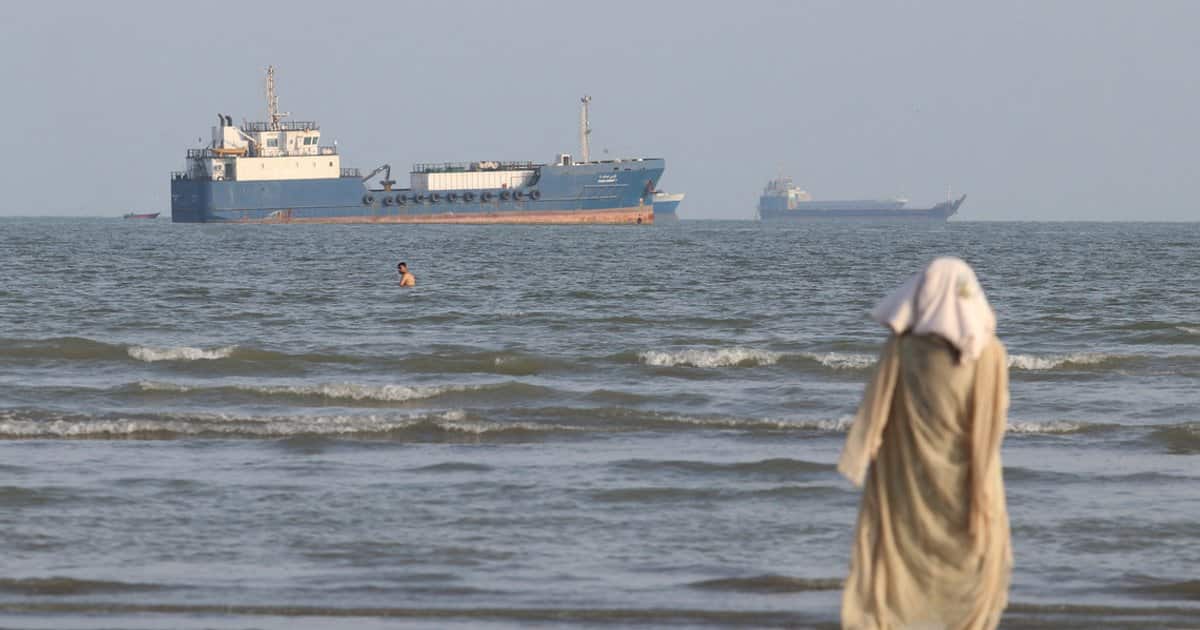
- Tanker traffic in the Strait of Hormuz dropped to its lowest level since late July.
- Iran is reportedly using unarmed spotters in small boats to identify targets after US strikes degraded its radar capabilities.
- There were a dozen attacks between September 28 and October 2.
Oil prices surged on Thursday as Iran intensified its attacks on tankers in the Strait of Hormuz, a critical chokepoint for global energy trade. Brent crude climbed over 4.8% to $105.02 a barrel, while West Texas Intermediate rose 5% to $92.69 a barrel.
According to a U.S. Navy-led information outlet, there were a dozen attacks between September 28 and October 2 alone. This has led to a sharp drop in tanker traffic through the waterway, with flows on Tuesday at their lowest since late July, according to Kpler.
Analysts noted that despite the risks, producers are increasingly willing to transit the Strait due to a lack of alternatives for reaching international markets. "In the past, such attacks have resulted in a reduction in shipments from the Persian Gulf. This time around, producers appear to be willing to take the risk of their vessels being damaged, as there is no alternative way to get their oil to international markets," ANZ analyst Daniel Hynes said, as quoted by Reuters.
Earlier in the week, oil prices had softened on news that the International Energy Agency would soon decide on releasing 100 million barrels of crude and fuels, part of a larger plan to release 400 million barrels to cushion the impact of the war on fuel prices. However, observers suggested this release was already priced in, making the Iranian attacks a more significant driver for the current price climb.