Key facts
- Chartering a VLCC to carry 2 million barrels of US oil from the Gulf of Mexico to China hit $80 million this week.
- The shipping costs are nearly half the price of a West Texas Intermediate crude future contract.
- Asian refiners are considering switching to Murban crude from the UAE.
- Murban crude's premium to Dubai quotes rebounded to over $11 a barrel.
- Japanese refiner Cosmo Oil provisionally chartered a VLCC for $81 million to load US oil.
- VLCC freight rates on the US Gulf to Asia route have spiked more than 300% since mid-August.
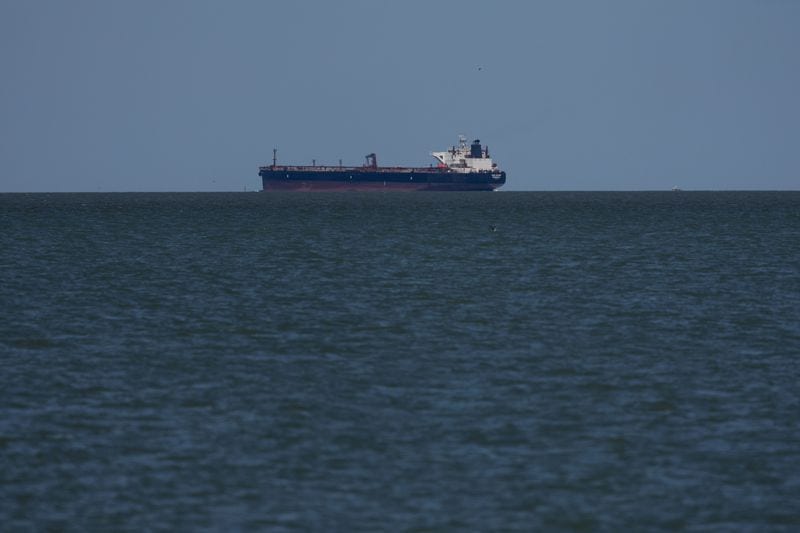
Soaring tanker freight rates have made shipping US crude oil to Asia economically unviable, prompting refiners to seek alternatives from other regions. The cost to charter a very large crude carrier (VLCC) to transport 2 million barrels of US oil from the Gulf of Mexico to China reached $80 million this week, according to shipbrokers Simpson, Spence & Young.
This surge in shipping costs effectively closes the arbitrage window for US crude, as the freight expenses now represent nearly half the price of a West Texas Intermediate crude future contract. This situation benefits shipowners with bumper profits while increasing costs for Asian refiners, who are the world's top oil importers.
In response, Asian refiners are considering switching to alternatives like Murban crude from the United Arab Emirates, which has seen its premium to Dubai quotes rebound to over $11 a barrel. Some traders and shipbrokers noted that US oil sellers might cut offers to remain competitive, and some trading firms are exploring the use of smaller tankers.
Despite the high costs, Japanese refiner Cosmo Oil has provisionally chartered a VLCC for $81 million to load US oil in November. However, attempts by South Korean refiner SK Energy and Trafigura to book VLCCs at lower rates were unsuccessful. Trafigura did secure an Aframax tanker for $24 million to transport US oil to Japan, while Vitol's attempt to charter a similar vessel for South Korea did not proceed.
Analysts attribute the spike in VLCC freight rates, which have increased over 300% since mid-August, to factors including inefficient ship-to-ship transfers as a workaround for potential Strait of Hormuz disruptions and increased demand for crude shipments from the Atlantic Basin to the Far East, leading to reduced available tonnage.