Key facts
- Brent crude traded at $102.83 per barrel, and WTI at $90.33 per barrel.
- Tanker traffic in the Strait of Hormuz fell 27% to 10.1 million barrels a day, the lowest since late July.
- At least 12 attacks on tankers occurred between September 28 and October 2.
- The U.S. sanctioned 17 tankers carrying Iranian crude, fuels, and petrochemicals.
- There is a growing shortage of tankers due to high freight rates and risk of attack.
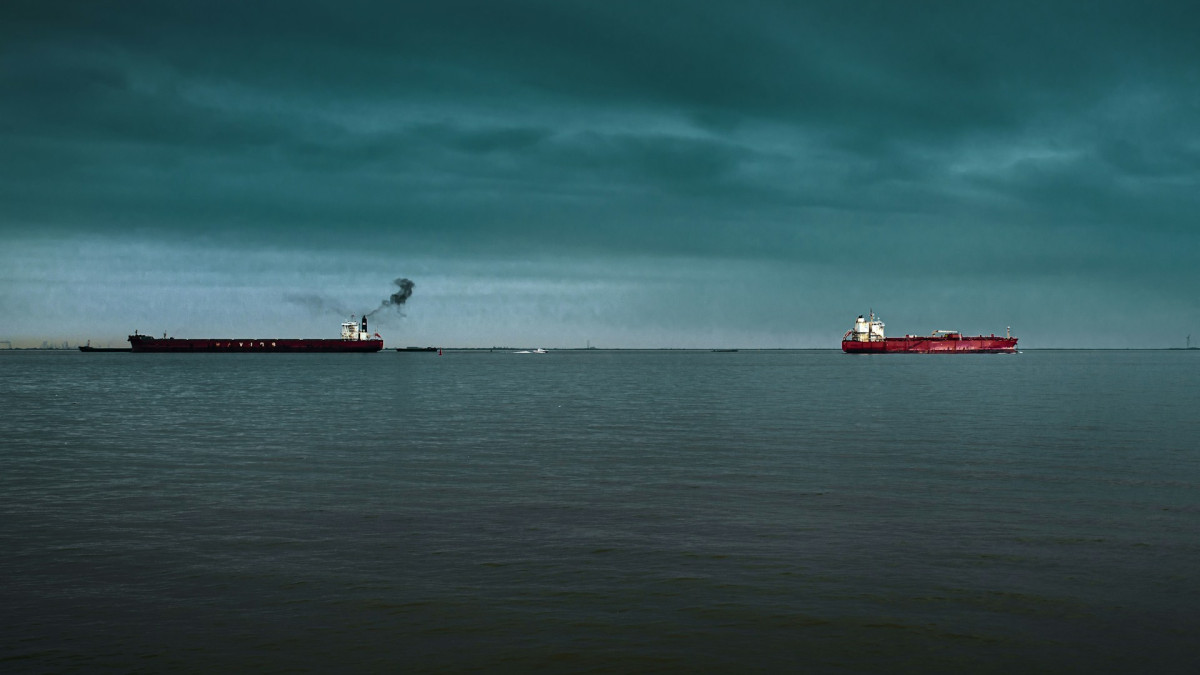
Crude oil prices were on course to book a weekly gain earlier today amid a flurry of tanker attacks in the Strait of Hormuz and surrounding waters. Reports citing President Trump as saying productive talks were being held with Iran failed to allay concerns driving the benchmarks higher.
At the time of writing, Brent crude was trading at $102.83 per barrel, with West Texas Intermediate at $90.33 per barrel, both slightly down from opening but higher compared to their opening prices this week.
Earlier this week, analysts from Kpler said that the number of tankers traversing the Strait of Hormuz has dropped to the lowest in two months amid renewed attacks on vessels in the waterway. This comes after tanker-tracking outlets said oil flows out of Hormuz are back to pre-war levels.
"Crude crossing the strait fell 27% from a wartime high the week before, to at least 10.1 million barrels a day," the analysts reported, as the firm counted only seven commodity carriers traversing the strait on Tuesday. This was the lowest figure since late July, the analysts said.
Meanwhile, news emerged of Iran striking a tanker in the Gulf of Oman, which is where Saudi Arabia conducts its ship-to-ship transfers to get its oil out of the Gulf. Between September 28 and October 2, there were at least 12 attacks on tankers carrying crude oil, liquid petroleum gas, and liquefied natural gas, according to data from a U.S. Navy-led joint information center on maritime transport.
On top of these developments, the U.S. stepped up its sanction pressure on Iran, despite those productive talks. The latest sanctions targeted individuals, tankers, and networks, Reuters reported earlier today. There were 17 newly sanctioned tankers carrying Iranian crude, fuels, and petrochemicals.
Adding to the supply concerns, there is a growing shortage of tankers, thanks to record-high freight rates offered for routes involving the Persian Gulf due to the high risk of an attack. Ship-to-ship transfers have also tightened the supply of vessels for other parts of the world, driving physical delivery oil prices higher still.