Key facts
- Googlebooks are Android-powered laptops designed to compete with Windows and macOS.
- The laptops feature premium hardware including OLED screens, metal builds, and haptic trackpads.
- All Googlebooks have an illuminated bar on the lid called the Glowbar, which currently displays battery level and boot status.
- Models will run on either Snapdragon X Elite or Intel Core Ultra Series 3 (Panther Lake) chips.
- All designs are fanless and feature NPUs capable of 45 TOPS of on-device AI performance.
- Google claims up to 14 hours of video playback and 16 hours of web browsing.
Google has officially launched its new line of Android-powered laptops, branded as "Googlebooks," aiming to carve out a niche in the premium laptop market. These devices are designed to offer a more robust computing experience than traditional Chromebooks, featuring high-end hardware and native support for Android applications. Google acknowledges its past struggles in the larger screen market with Chromebooks, positioning Googlebooks as a solution with "real" computer capabilities.
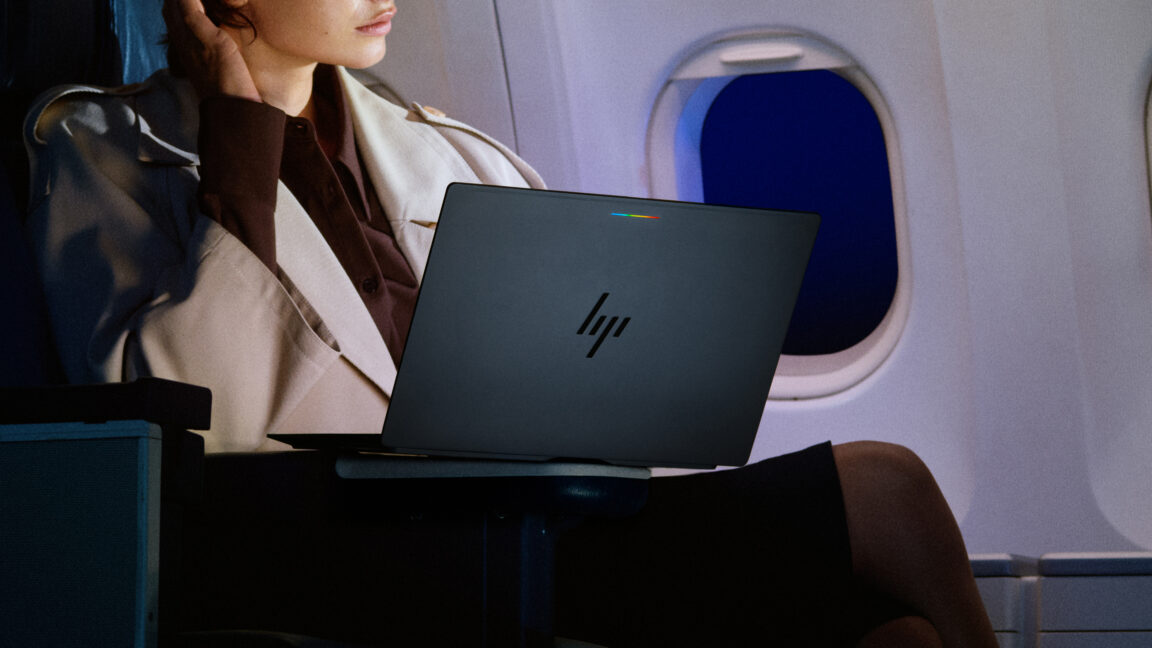
The first wave of Googlebooks includes five models from various manufacturers like Acer, Dell, HP, Lenovo, and Asus. These laptops boast premium features such as OLED displays, metal chassis, large haptic trackpads, and an illuminated "Glowbar" on the lid, which currently serves basic functions but is slated for expanded developer use. All models come with at least 16GB of RAM, with options for 32GB upgrades, and are powered by either Qualcomm's Snapdragon X Elite or Intel's Core Ultra Series 3 (Panther Lake) processors. These chips include NPUs capable of 45 TOPS for on-device AI tasks, and the laptops are designed without fans.
Pricing for the Googlebooks starts at $899 for the Acer Googlebook 14, which is also the only convertible model. The Dell XPS Googlebook is priced from $1,199, while the HP Googlebook 14, Lenovo Googlebook 15, and Asus Googlebook 14 all start at $1,299. Google highlights that these devices will run Android apps natively, offering a potentially smoother experience than the virtual machine approach used in ChromeOS. The company also claims that an increasing number of apps in the Play Store are being optimized for larger laptop displays.