Key facts
- Gasoline-powered vehicles accounted for less than 50% of global new-vehicle sales in the first half of 2026.
- High oil prices, exacerbated by Middle East conflict, are driving consumers toward electric vehicles.
- Global EV sales grew 29% year-over-year in Q1 2025 to 4.1 million units.
- EVs represented 7.5% of U.S. new vehicle sales in Q1 2025, up from 7% a year prior.
- In 2024, gas-powered vehicles made up 79.8% of U.S. sales, dropping below 80% for the first time.
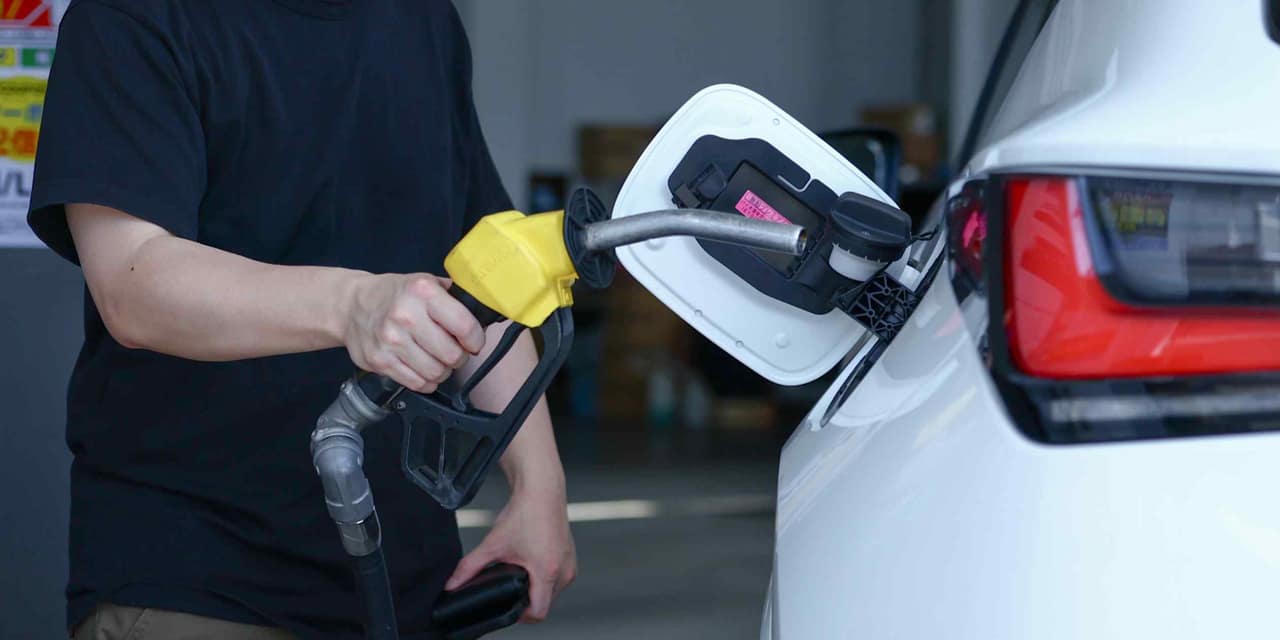
The dominance of gasoline engines in new vehicle sales has waned, with gasoline-powered models falling below 50% of global sales in the first half of 2026. This historic shift is largely attributed to elevated oil prices, a consequence of ongoing conflict in the Middle East, which is compelling consumers to seek vehicles with lower operating costs, particularly electric vehicles (EVs).
Globally, EV sales surged by 29% year-over-year in the first quarter of 2025, reaching 4.1 million units, according to Rho Motion. In the U.S., EVs represented 7.5% of new vehicle sales in the first quarter of 2025, an increase from 7% in the same period of 2024. Edmunds data indicates that U.S. consumers purchased 185,992 EVs from January to February 2025, making up approximately 7.9% of all new vehicle purchases. For the full year 2024, U.S. EV sales totaled 1,233,458, surpassing 2023's figure and marking a substantial rise from 2015. Despite this growth, gas-powered vehicles still held a significant share in the U.S. in 2024, accounting for 79.8% of sales, though this was the first time this figure fell below 80% in modern automotive history. The total number of EVs on U.S. roads in 2024 was approximately 4.1 million, representing 1.4% of the nation's 292.3 million registered cars and trucks.