Key facts
- Paris prosecutors have opened a criminal probe into suspected sexual harassment involving smart glasses.
- France's data protection authority, CNIL, has received under 10 complaints regarding smart glasses used in the workplace.
- Meta's AI-enabled smart glasses, which have an embedded camera, are the market leader with a 76% global share.
- Some UK cinemas have banned smart glasses, and a German consumer group filed a complaint over privacy laws.
- Australia is considering barring camera-equipped smart glasses in government workplaces.
Paris prosecutors have opened a criminal investigation into suspected sexual harassment linked to the use of smart glasses, as regulatory scrutiny intensifies globally over the devices' social impact. The probe follows complaints about a trend of filming women on the street without consent and posting videos online.
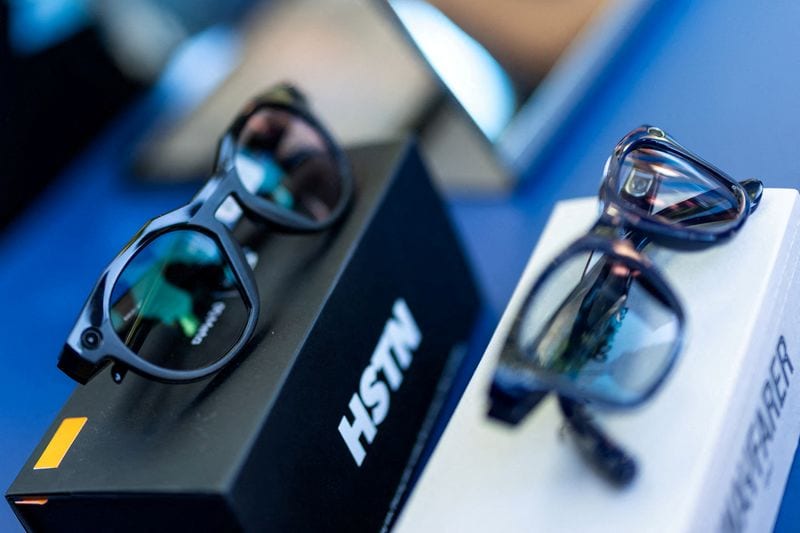
Meta, in collaboration with EssilorLuxottica, leads the smart glasses market with its AI-enabled devices, which feature an embedded camera. The company reported selling 7 million units last year, with EssilorLuxottica indicating "exponential growth" for 2026. However, this success has drawn criticism from various groups, including rights organizations and consumer advocates.
In France, the national data protection authority, CNIL, has received fewer than 10 complaints concerning the use of smart glasses in workplaces and is increasingly contacted by businesses seeking guidance on whether to ban them. CNIL's head of economic affairs, Nacera Bekhat, noted that smart glasses present "real challenges" in informing individuals they are being filmed and obtaining consent.
Globally, some UK cinemas have banned the devices, and a German consumer group has filed a criminal complaint citing privacy laws. Australia is also considering a ban on camera-equipped smart glasses in government workplaces due to privacy and security concerns, potentially marking the first such ban.
Meta stated that privacy was integrated into its AI glasses from the outset and that it would continue to enhance protections. French law offers privacy protections, including penalties of up to a year in prison or a €45,000 ($51,700) fine for recording someone's image in a private place without consent, though enforcement can be difficult, especially with rapid online dissemination of content.
Rights groups argue that the small indicator light on the devices shifts the burden of avoiding surveillance onto individuals. Ines Legendre, a legal expert at internet safety organization e-Enfance, stated that a light does not equate to consent for filming or subsequent distribution of images. Ines Girard, from the feminist organization Hubertine Auclert, criticized the tech industry for not doing enough to prevent abuse, emphasizing that individuals, particularly women and vulnerable groups, should not bear the sole responsibility for vigilance against surveillance technology.