Key facts
- Flock Safety plans to cut about 18% of its workforce, impacting roughly 270 employees.
- The company has approximately 1,500 employees.
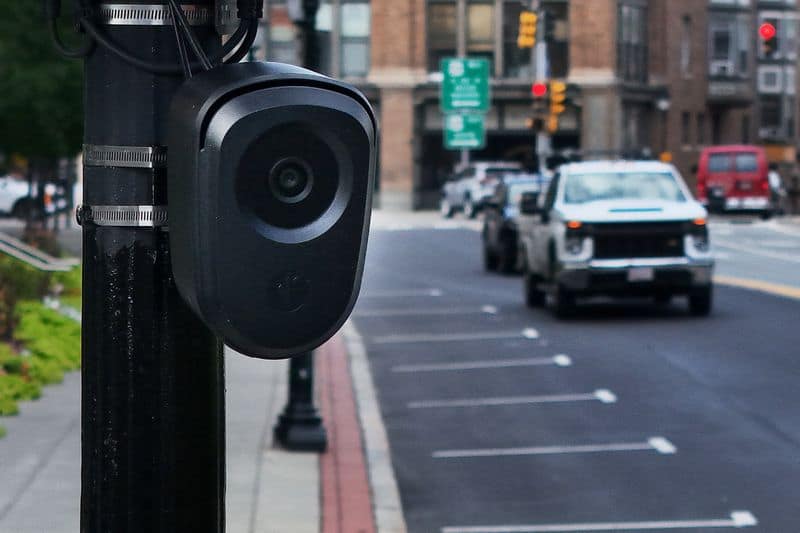
- Flock Safety's technology includes AI-powered surveillance cameras and license-plate readers.
- The company provides cameras and software to over 4,800 law enforcement agencies and nearly 1,000 businesses.
- Flock Safety has raised over $950 million from venture capital investors, with its latest round valuing the company at $7.5 billion.
- Florida banned automated license plate readers from state highways due to privacy risks.
Flock Safety, an AI surveillance technology startup, is planning to lay off approximately 18% of its workforce, or about 270 employees, according to sources familiar with the matter. The job cuts follow a voluntary buyout program and come amid increasing opposition to the company's AI-powered surveillance cameras and license-plate readers from communities and lawmakers.
The company, based in Atlanta and founded in 2017, has experienced rapid growth in recent years, raising over $950 million from venture capital investors. Its latest $275 million funding round in March valued Flock Safety at $7.5 billion and supported the expansion of its US manufacturing facility and development of drone products.
Flock Safety's network consists of around 120,000 AI-powered cameras deployed across 49 states, which automatically read license plates and record vehicles. The company states its technology aids in crime investigation and resolution, serving more than 4,800 law enforcement agencies and nearly 1,000 businesses. However, it faces growing scrutiny over alleged privacy violations and data-sharing practices.
Public backlash has intensified, leading to regulatory actions such as Florida's ban on automated license plate readers on state highways due to privacy risks. Home Depot investors have also called for reviews of partnerships with surveillance vendors after reports of Flock's data being used in immigration enforcement. Additionally, Flock Safety is facing legal challenges, including a privacy lawsuit in Virginia alleging warrantless surveillance.